Air-Cooled vs. Water-Cooled LED UV Curing: A Smart Choice for Narrow Web Printers
Selecting the right UV curing system is a critical decision for any narrow web printing operation. LED UV curing technology offers significant advantages. However, a key consideration is whether to opt for an air-cooled or water-cooled system. Both have their strengths, and the best choice depends on your specific printing needs and operational environment. Understanding these differences will help you make an informed decision that boosts efficiency and print quality.
The Basics of LED UV Curing
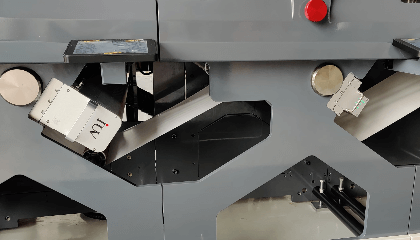
LED UV curing uses ultraviolet light to instantly dry or “cure” inks, coatings, and adhesives. This process is faster and more energy-efficient than traditional methods. Unlike mercury lamps, LED systems offer a long lifespan and consistent output. This reliability translates to fewer interruptions and a more stable production process. For label printing, flexography, offset, and general narrow web applications, LED UV curing is a game-changer. It allows for faster press speeds and the use of specialized inks and coatings.
Air-Cooled LED UV Systems Explained
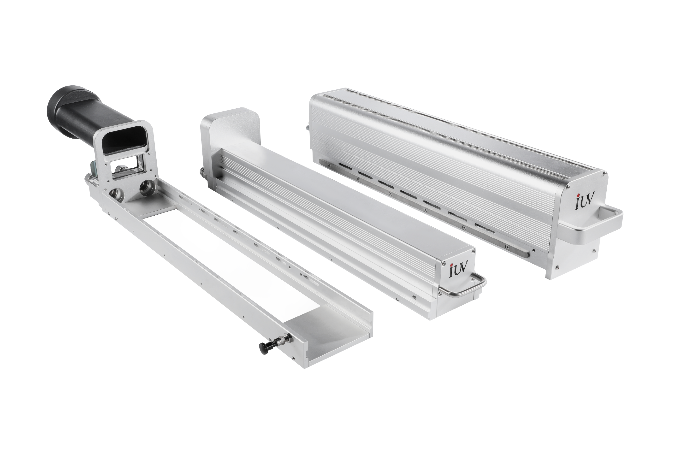
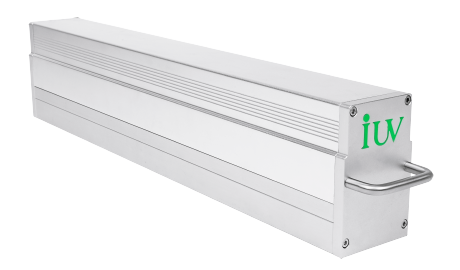
Air-cooled LED UV curing systems rely on circulating ambient air to dissipate heat generated by the LEDs. These systems are generally simpler in design. They often require less initial investment and can be easier to install. For many narrow web printers, especially those with existing press setups, an air-cooled system might be a straightforward upgrade. They are a popular choice for applications where high-intensity, long-duration curing is not the primary requirement.
Advantages of Air-Cooled Systems:
- Lower Initial Cost: Typically, air-cooled units have a more accessible price point.
- Simpler Installation: They often integrate more easily into existing press configurations.
- Reduced Maintenance Complexity: Fewer components mean potentially less complex maintenance.
- Ideal for Intermittent Runs: Well-suited for jobs with shorter print runs or less demanding curing cycles.
Considerations for Air-Cooled Systems:
- Heat Management: In hot environments or during extended high-speed runs, air-cooled systems may struggle to maintain optimal temperatures. This can impact LED lifespan and curing performance.
- Curing Intensity Limits: The maximum achievable curing intensity might be lower compared to water-cooled systems.
- Fan Noise: The cooling fans can contribute to operational noise levels in the print room.
Water-Cooled LED UV Systems Unveiled
Water-cooled LED UV curing systems utilize a recirculating water loop to actively draw heat away from the LEDs. This method is highly efficient at thermal management. Water has a much greater capacity to absorb and transport heat than air. This makes water-cooled systems ideal for demanding applications that require consistent, high-intensity UV output over long periods.
Advantages of Water-Cooled Systems:
- Superior Heat Dissipation: Effectively manages heat, even during continuous high-speed printing.
- Consistent Curing Performance: Maintains stable LED temperatures, ensuring uniform curing across the entire print run.
- Higher Curing Intensity: Capable of delivering more powerful UV output, crucial for certain inks and substrates.
- Extended LED Lifespan: Optimal temperature control prolongs the operational life of the LED modules.
- Quieter Operation: Eliminates the need for high-speed cooling fans, leading to a quieter pressroom.
Considerations for Water-Cooled Systems:
- Higher Initial Investment: The cost of the chiller unit, plumbing, and the curing system itself is typically greater.
- More Complex Installation: Requires plumbing connections and a dedicated chiller.
- Maintenance of Water Loop: The water system needs periodic checks, including fluid levels and potential filter changes.
- Potential for Leaks: As with any water system, there’s a minor risk of leaks, requiring careful installation and monitoring.
Matching the System to Your Printing Needs
When choosing between air-cooled and water-cooled LED UV systems for your narrow web press, consider these factors:
- Press Speed and Throughput: If you operate at very high speeds and require consistent curing for long runs, water-cooling is often the superior choice. For moderate speeds or shorter jobs, air-cooling might suffice.
- Curing Requirements of Inks and Coatings: Some specialized inks or thick coatings demand higher UV intensity for proper curing. Water-cooled systems are better equipped to deliver this consistently.
- Ambient Temperature of the Print Room: In warmer environments, an air-cooled system might struggle to keep the LEDs cool, potentially leading to performance issues. A water-cooled system offers greater independence from ambient conditions.
- Substrate Type: Different substrates absorb and reflect UV light differently. High-reflective substrates might require more focused UV energy, which water-cooled systems can more reliably provide.
- Budget and Investment Strategy: Assess your capital expenditure capabilities. While air-cooled systems are more budget-friendly initially, consider the long-term operational costs and potential for downtime with less robust cooling.
- Space and Installation Constraints: Water-cooled systems require more space for the chiller and associated plumbing. Ensure you have the necessary room and infrastructure.
Applications in Label, Flexo, and Offset Printing
For the label printing industry, where precise registration and vibrant colors are paramount, consistent curing is essential. Both systems can be effective, but high-volume label producers often lean towards water-cooled for their reliability at speed.
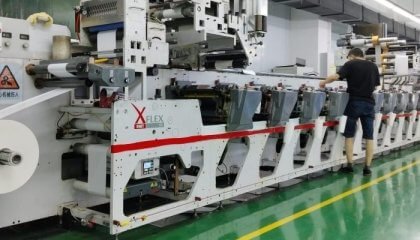
In flexographic (flexo) printing, especially for narrow web applications, press speeds are often high. This makes water-cooled systems a strong contender for ensuring full ink cure on every label or package.
Offset printing, particularly web offset for labels and packaging, also benefits from efficient curing. While offset presses might have different speed profiles, the need for consistent ink hardening remains.
Making the Right Choice for Your Business
Ultimately, the decision between air-cooled and water-cooled LED UV curing systems hinges on a thorough evaluation of your specific operational demands. If your priority is a lower entry cost and you handle shorter runs or less demanding applications, an air-cooled system is a viable option. However, for maximum performance, reliability, and the ability to handle the most challenging print jobs at high speeds, investing in a water-cooled system often proves to be the more strategic and ultimately cost-effective solution for narrow web printers focused on quality and efficiency.