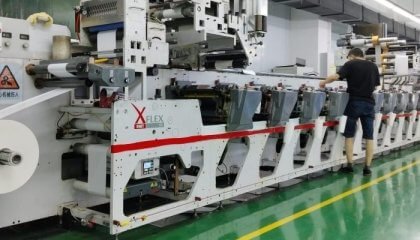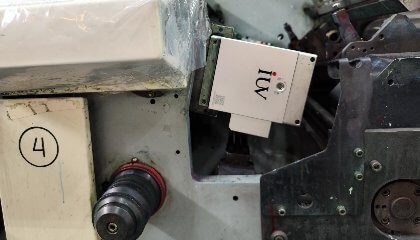
The printing industry is in constant motion, and nowhere is this more apparent than in the realm of UV lithographic printing. This technology, known for its sharp dot definition and vibrant color reproduction, is undergoing a significant transformation. Automation is no longer a distant possibility; it’s a driving force reshaping how labels, flexible packaging, and other high-quality printed materials are produced.
For narrow web printers, efficiency and speed are paramount. Automation directly addresses these needs, streamlining processes from ink management to substrate handling. The integration of LED UV curing technology has further amplified these advantages, offering faster drying times, reduced energy consumption, and a more sustainable printing environment.
The Evolving Landscape of UV Lithography
Traditional lithography relies on the principle of oil and water repulsion. In UV lithography, specialized inks are used that cure instantly when exposed to ultraviolet light. This immediate curing allows for faster press speeds and the ability to print on a wider range of non-absorbent substrates, a critical factor in label and packaging applications.
The drive towards automation in this space is multifaceted. Manufacturers are seeking to reduce manual intervention, minimize errors, and maximize throughput. This translates into significant cost savings and improved competitiveness in a demanding market.
Key Automation Trends in UV Litho
Several key trends are at the forefront of this automation revolution. These innovations are not just about adding more machines; they’re about creating smarter, more integrated printing workflows.
Automated Ink Management Systems
Ink is the lifeblood of any printing process. In UV lithography, maintaining consistent ink density and color accuracy is vital. Automated ink management systems are changing the game. These systems can monitor ink levels in real-time, automatically replenish reservoirs, and even adjust viscosity based on press conditions. This eliminates manual refilling, reduces waste, and ensures consistent color from the first impression to the last. For label printers dealing with frequent job changes and short runs, this level of automation is invaluable.
Advanced Registration Control
Achieving perfect registration, where printed colors align precisely, is a hallmark of quality lithographic printing. Modern automated systems employ sophisticated camera-based inspection and correction. These systems continuously monitor the printed web and make micro-adjustments to substrate and plate positioning on the fly. This drastically reduces makeready waste and ensures that even complex, multi-color designs are produced flawlessly, especially crucial for intricate label designs.
Automated Plate Mounting and Changing
The physical act of mounting and changing printing plates can be time-consuming and prone to error. Automated plate mounters and changers are becoming increasingly common. These systems use precise robotics and digital imaging to position plates accurately and quickly. For narrow web presses with multiple color units, this speeds up job transitions significantly, allowing printers to respond more agilely to market demands for faster turnaround times.
Integrated Quality Control and Inspection
Quality is non-negotiable. Automation extends to sophisticated in-line inspection systems. These systems use high-resolution cameras and advanced software to detect defects such as hickeys, streaks, color variations, and registration issues in real-time. Any detected faults can trigger an alert for manual intervention or even automatically stop the press. This proactive approach to quality control minimizes waste and ensures that only perfect products reach the customer, a critical factor in brand reputation.
Automated Substrate Handling and Tension Control
The handling of various substrates, from delicate films to thick cardstocks, requires precision. Automated feeder and delivery systems, coupled with advanced tension control, ensure that the substrate moves through the press smoothly and consistently. This prevents web breaks, reduces wrinkles, and guarantees uniform ink laydown, all of which are essential for high-quality UV lithographic output in the label and packaging sectors.
The Role of LED UV Curing in Automation
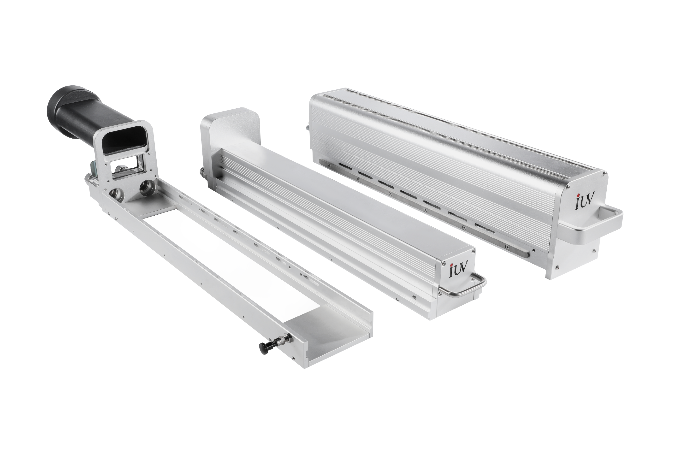
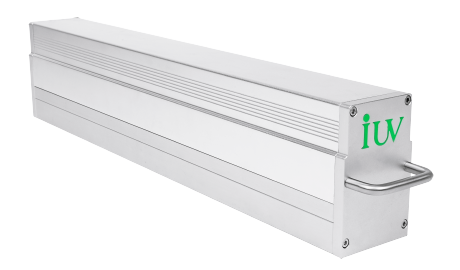
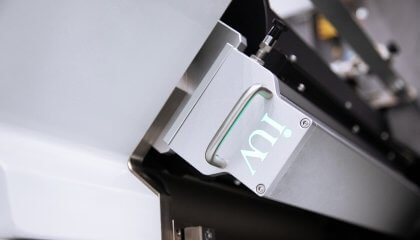
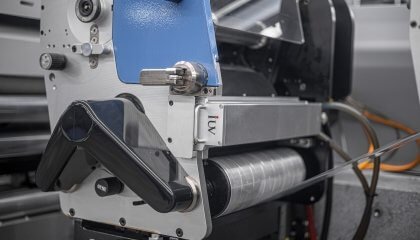
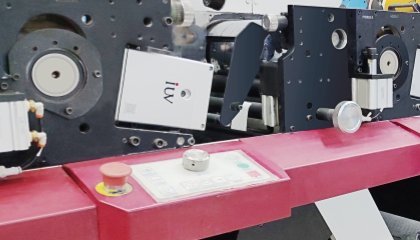
LED UV curing technology is intrinsically linked to the advancements in automation. Unlike traditional mercury lamp UV systems, LED UV offers instant on/off capabilities, longer lifespan, and lower heat generation. This has several implications for automation:
- Faster Makeready: The instant curing means printers can move to the next stage of finishing or inspection much quicker, reducing overall job cycle times.
- Reduced Downtime: LED systems require less maintenance and have a longer operational life, contributing to higher press uptime.
- Energy Efficiency: Lower energy consumption aligns with sustainability goals, often a key driver for adopting automated solutions.
- Substrate Versatility: The lower heat output of LEDs allows for the printing on heat-sensitive substrates, expanding the application range for automated UV litho presses.
Benefits of Automation for UV Litho Printers
The adoption of these automated trends brings a wealth of benefits to UV lithographic printers, particularly those in the competitive narrow web market.
Increased Productivity and Throughput
By minimizing manual steps and reducing errors, automated systems allow presses to run faster and for longer periods with less interruption. This directly translates to higher output and the ability to take on more jobs.
Enhanced Product Quality and Consistency
Precision automation, from ink management to registration and inspection, ensures a higher level of quality and consistency across all printed runs. This builds brand loyalty and reduces costly reprints.
Reduced Waste and Operational Costs
Less makeready waste, fewer errors, and more efficient use of materials like ink and substrate lead to significant cost savings. Reduced energy consumption from LED UV further contributes to lower operational expenses.
Improved Worker Safety and Morale
Automating repetitive or hazardous tasks can create a safer working environment. It also allows skilled operators to focus on more complex problem-solving and higher-value activities, potentially boosting job satisfaction.
Greater Flexibility and Agility
With faster makeready times and more efficient workflows, printers can become more responsive to customer demands for shorter runs, faster turnarounds, and a wider variety of printed products.
The Future Outlook
The trajectory of UV lithographic printing is undeniably linked to continued automation. We can expect further integration of artificial intelligence and machine learning into these systems, enabling predictive maintenance and even more sophisticated process optimization. The development of new sensor technologies and advanced robotics will continue to push the boundaries of what is possible.
For businesses operating in the label, flexible packaging, and narrow web sectors, embracing these automation trends is not just about staying current; it’s about securing a competitive edge. The future of high-quality UV lithographic printing is automated, efficient, and smarter than ever before.