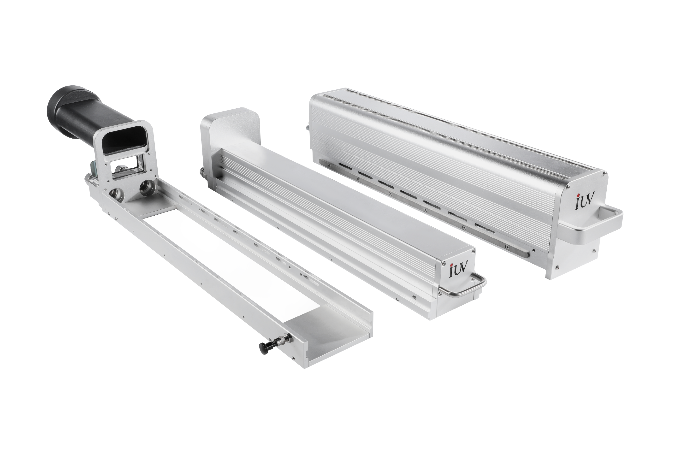
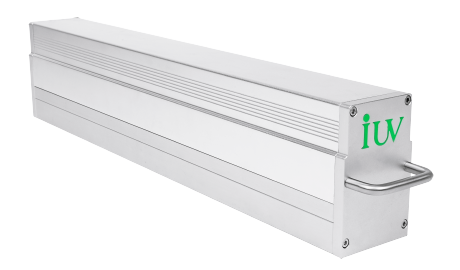
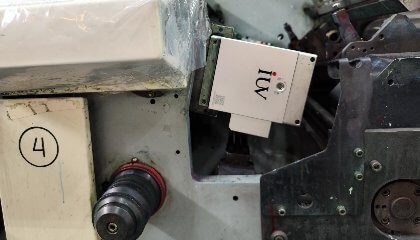
In the demanding world of label and packaging printing, speed, efficiency, and uncompromising quality are paramount. For businesses operating at high volumes, the choice of drying technology can make or break profitability and client satisfaction. Automated UV drying solutions have emerged as a transformative force, particularly for narrow web, flexographic, and offset printing applications. These advanced systems offer unparalleled control, reduced waste, and the ability to handle a diverse range of substrates and inks.
Understanding UV Curing: A Deeper Dive
At its core, UV curing is a photochemical process where ultraviolet light initiates a rapid polymerization reaction. This reaction transforms liquid ink, coating, or adhesive into a solid, cured film almost instantaneously. Unlike conventional thermal drying methods that rely on evaporation, UV curing is a physical transformation. This fundamental difference offers a cascade of advantages for high-volume operations.
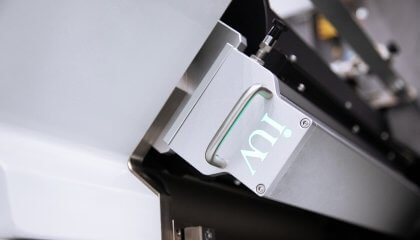
The energy source for UV curing is typically mercury vapor lamps or, increasingly, LED UV lamps. Mercury lamps emit a broad spectrum of UV light, requiring sophisticated cooling systems and generating significant heat. LED UV lamps, on the other hand, emit a narrow band of UV light at specific wavelengths, are more energy-efficient, generate less heat, and have a much longer lifespan. The selection between these technologies often depends on the specific inks, substrates, and production speed required.
Why Automation is Key for High-Volume Printing
The “automated” aspect of these solutions is not merely a buzzword; it’s the engine that drives efficiency in high-volume environments. In a fast-paced print shop, manual intervention leads to bottlenecks, inconsistencies, and increased labor costs. Automated UV drying systems integrate seamlessly into the printing press workflow, offering:
- Consistent Curing: Automated systems precisely control the exposure time and UV intensity. This ensures every printed item receives the exact same amount of energy, resulting in uniform curing across entire runs and between different jobs. This consistency is critical for brand integrity and regulatory compliance.
- Reduced Downtime: Integration means less stopping and starting. Automated systems are designed for continuous operation, minimizing the need for manual adjustments or interventions that halt production. This translates directly to higher output and fewer missed deadlines.
- Optimized Energy Usage: Modern automated systems, especially those employing LED UV technology, are highly efficient. They deliver UV energy only when and where it’s needed, significantly reducing energy consumption compared to older, less controlled methods.
- Enhanced Safety: Automation removes operators from direct contact with high-intensity UV light and potentially hazardous chemicals. Enclosed systems and interlocks further bolster workplace safety.
- Predictive Maintenance: Many advanced automated systems offer integrated diagnostics. This allows for proactive identification of potential issues before they cause major breakdowns, enabling scheduled maintenance and preventing costly production interruptions.
Tailoring UV Drying for Specific Printing Processes
The versatility of automated UV drying solutions makes them adaptable to various printing methods prevalent in the label and packaging industry.
1. Narrow Web Flexographic Printing:
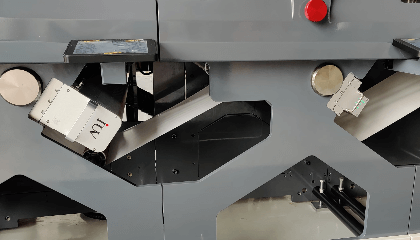
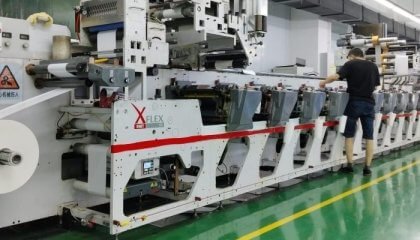
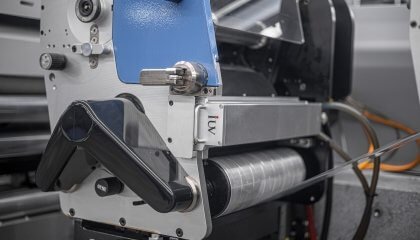
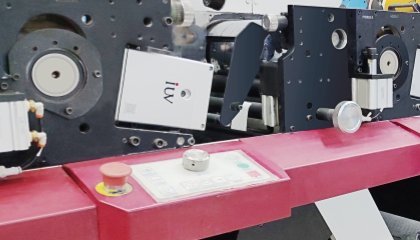
Flexography is a cornerstone of label production. In narrow web presses, where web widths are typically under 20 inches, space is at a premium. Automated UV drying units are designed to fit compactly between print stations or at the end of the press. This allows for in-line curing of multiple ink colors, enabling high-speed production without inter-coat contamination or smudging. The ability to cure different ink types, including water-based UV and conventional UV inks, makes these solutions incredibly flexible for label converters.
2. Offset Printing (Sheet-fed and Web):
While traditionally associated with longer drying times, offset printing for packaging and labels is increasingly benefiting from UV technology. For sheet-fed offset, automated UV dryers, often placed after the last printing unit or coating station, ensure instant drying. This allows sheets to be immediately stacked, avoiding marks and enabling faster finishing processes. For web offset, inline UV curing is essential for high-speed runs, ensuring crisp details and vibrant colors. The precise energy control of automated systems is crucial for achieving consistent results across large print areas.
3. Specialty Applications and Finishes:
Beyond standard CMYK printing, automated UV drying is vital for special effects and functional coatings. This includes:
- Varnishes and Coatings: Applying spot UV or flood UV coatings for gloss, matte, or textured effects is made seamless with automated UV curing. The rapid cure ensures these finishes are durable and visually striking.
- Holographic Foils and Metallics: The adhesion of specialty foils and metallic inks often relies on UV-curable adhesives or overprint varnishes. Automated systems ensure these are cured properly for maximum adhesion and visual impact.
- Functional Coatings: UV-curable coatings can impart properties like scratch resistance, chemical resistance, or barrier protection. Automated curing ensures these functional layers are fully integrated and perform as intended.
The Rise of LED UV Technology in Automated Systems
The evolution from traditional mercury lamps to LED UV technology represents a significant leap forward in automated drying. The advantages of LED UV are particularly impactful for high-volume operations:
- Instant On/Off: LEDs can be switched on and off instantaneously, without warm-up or cool-down periods. This is perfect for intermittent printing or when indexing is required, preventing unnecessary energy consumption and substrate degradation.
- Lower Heat Input: LEDs emit very little infrared (IR) radiation, meaning less heat is transferred to the substrate. This is a major benefit when printing on heat-sensitive materials like thin films or certain plastics, preventing warping or deformation.
- Longer Lifespan and Stability: LED lamps have a lifespan measured in tens of thousands of hours, far exceeding mercury lamps. Their UV output remains stable over time, ensuring consistent curing performance run after run, job after job.
- Environmental Benefits: LEDs are mercury-free, making disposal more environmentally friendly. Their lower energy consumption also reduces the overall carbon footprint of the printing process.
- Compact Design: LED UV units are often more compact than their mercury lamp counterparts, which is a significant advantage in space-constrained narrow web presses.
Choosing the Right Automated UV Drying Solution
Selecting the optimal automated UV drying solution requires careful consideration of several factors:
- Printing Process and Speed: Match the UV system’s capabilities to your specific press type (flexo, offset) and maximum running speed.
- Substrate Types: Ensure the system can handle the range of materials you print on, especially if heat sensitivity is a concern.
- Ink and Coating Formulations: Verify compatibility with the UV-curable inks and coatings you intend to use. Different inks may require specific UV wavelengths or intensities.
- Energy Requirements: Assess your facility’s electrical capacity and consider the energy efficiency of LED vs. mercury systems.
- Integration and Automation Level: How well does the system integrate with your existing press controls? What level of automation is necessary for your workflow?
- Service and Support: Ensure the manufacturer offers robust technical support and readily available spare parts.
The Future is Cured: Embracing Innovation
Automated UV drying solutions are no longer a luxury; they are a fundamental necessity for any printing business aiming for high-volume production, superior quality, and operational excellence. The ongoing advancements in LED UV technology, coupled with increasingly sophisticated automation and control systems, promise even greater efficiency, sustainability, and capability in the years to come. By investing in the right UV drying solution, printers can secure a competitive edge, meet evolving market demands, and lay a solid foundation for continued success in the dynamic world of labels and packaging.