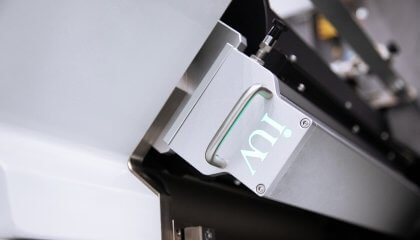
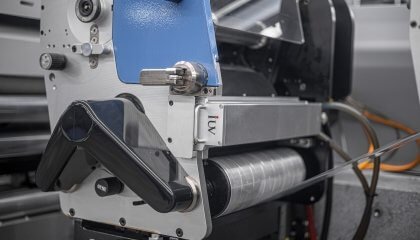
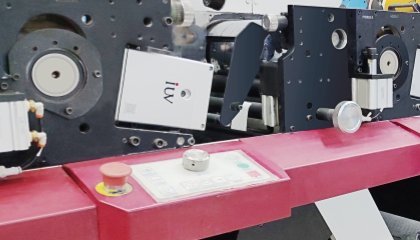
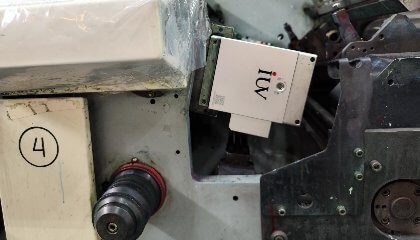
Achieving consistent, high-quality results in flexographic printing, especially with UV-curable inks, hinges on meticulous quality control of the UV curing process. As engineers, we understand that every variable impacts the final product. This guide focuses on the critical aspects of UV curing quality control within the context of flexographic printing, touching upon narrow web, label printing, and offset applications.
Understanding UV Curing Fundamentals
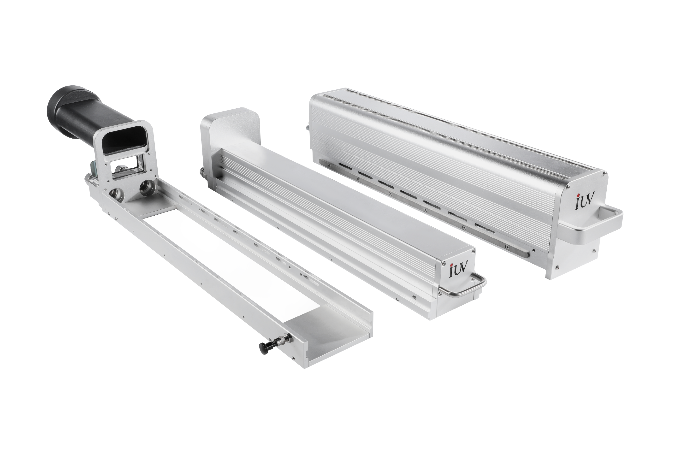
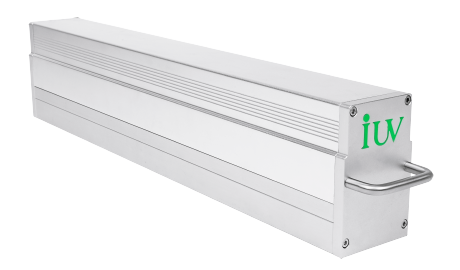
UV curing utilizes ultraviolet light to initiate a photochemical reaction in specially formulated inks, coatings, and adhesives. This process rapidly transforms liquid materials into solid, durable films. For flexographic printing, this speed and efficiency are invaluable. The key components involved are the UV lamp source (traditional mercury lamps or modern LED arrays), the photoinitiators within the ink, and the substrate itself.
The Importance of UV Curing in Modern Printing
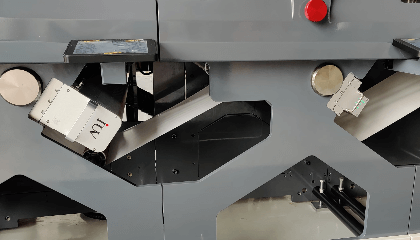
In the demanding world of label and narrow web printing, UV curing offers distinct advantages. Its rapid drying eliminates the need for extensive drying tunnels, saving valuable press space and energy. Furthermore, UV-cured inks provide excellent scratch resistance, chemical resistance, and vibrant color reproduction, meeting the stringent requirements of various markets. For offset printing, UV curing opens doors to printing on non-absorbent substrates like plastics and foils, expanding application possibilities.
Critical Parameters for UV Curing Quality Control
Effective quality control begins with understanding and monitoring the fundamental parameters that govern the UV curing process.
1. UV Irradiance (Dose)
Irradiance refers to the power density of UV light delivered to the ink surface, measured in milliwatts per square centimeter (mW/cm²). It’s a crucial factor, as insufficient irradiance leads to under-curing, resulting in sticky ink, poor adhesion, and inadequate resistance properties. Over-curing, while less common, can sometimes lead to substrate degradation or brittleness.
- Measurement: Use a calibrated radiometer to measure UV irradiance at the substrate level. Ensure measurements are taken across the entire web width.
- Control: Adjust lamp power settings and monitor output regularly. LED systems offer more stable and controllable irradiance compared to traditional mercury lamps.
2. UV Spectrum
The spectral output of the UV lamp must be matched to the absorption characteristics of the photoinitiators in the ink. Different inks require specific wavelengths for optimal curing. Mercury lamps produce a broad spectrum, while LEDs emit in narrower, specific wavelength bands (e.g., 365 nm, 395 nm).
- Consideration: When switching inks or suppliers, verify that the existing UV lamp spectrum is compatible.
- LED Advantage: LED curing offers precise wavelength control, which can lead to more efficient and predictable curing.
3. Exposure Time (Web Speed)
The time the substrate spends under the UV lamp is directly related to the web speed. A faster web speed means less exposure time, requiring higher irradiance to achieve adequate cure.
- Relationship: Maintain a consistent relationship between web speed and UV lamp output.
- Monitoring: Ensure the press speed controller is accurate and calibrated.
4. Lamp Distance and Condition
The distance between the UV lamp and the ink surface significantly affects irradiance. Dust, dirt, or damage on the lamp or reflector can reduce UV output and alter the spectral distribution.
- Maintenance: Regularly clean lamp housings and reflectors. Inspect lamps for damage and replace them according to manufacturer recommendations.
- Consistency: Ensure the lamp position relative to the substrate remains constant.
5. Ink/Coating Formulation
The UV-curable ink or coating itself plays a vital role. Photoinitiator concentration, pigment levels, and resin chemistry all influence curing speed and final properties.
- Supplier Collaboration: Work closely with ink suppliers to understand the curing requirements of each formulation.
- Testing: Conduct cure-through tests for new ink batches or formulations.
6. Substrate Properties
The substrate’s surface energy, color, and thickness can impact UV light penetration and ink adhesion. Opaque or dark substrates can block UV light, hindering through-cure.
- Surface Treatment: For challenging substrates, consider surface treatments to improve ink adhesion.
- Ink Selection: Choose inks formulated for the specific substrate being used.
Quality Control Testing Methods
Beyond monitoring the curing process parameters, performing regular tests on the printed material is essential to confirm adequate curing.
1. Adhesion Testing
- Cross-Hatch Test: A standard method where the cured ink is scored, and tape is applied and removed. Poor adhesion will result in ink removal.
- Rub Test: Using a standardized abrasive material and pressure, the cured ink is rubbed to assess its resistance to abrasion.
2. Solvent Resistance Testing
This test evaluates how well the UV-cured ink withstands exposure to common solvents used in post-print processes or end-use environments.
- Method: Rubbing the cured ink with a solvent-soaked cloth for a specific number of cycles. The ink should not smudge or dissolve.
3. Tack and Stickiness Assessment
After curing, the printed surface should be dry and non-tacky. Touching the surface lightly is a basic but effective initial check.
- Industry Standards: Specific industry standards often define acceptable levels of tackiness.
4. Migration Testing
For food packaging and sensitive applications, migration testing is paramount. It ensures that no uncured or leachable components from the ink migrate into the product.
- Compliance: Adhere to relevant food safety regulations and guidelines.
Troubleshooting Common UV Curing Issues
- Sticky Ink: Usually caused by insufficient UV dose (low irradiance or short exposure time) or incompatible ink formulation.
- Poor Adhesion: Can result from under-curing, contamination on the substrate, or low surface energy of the substrate.
- Scuffing/Scratching: Indicates incomplete cure or insufficient ink film hardness.
- Ink Loss During Rub Test: Points to under-curing or poor ink-substrate interaction.
The Role of LED Curing Technology
Modern LED UV curing systems offer significant advantages for quality control. They provide:
- Stable Output: Consistent irradiance over their lifespan, reducing the need for frequent lamp replacements and recalibration.
- Targeted Wavelengths: Optimized spectral output for specific ink chemistries, leading to more efficient curing.
- Lower Heat Generation: Reduces the risk of substrate distortion and improves operator safety.
- Instant On/Off: Ideal for intermittent printing or on-demand applications.
Conclusion
Implementing a robust UV curing quality control strategy is not just about preventing defects; it’s about ensuring consistency, enhancing print performance, and meeting the diverse demands of the label, narrow web, and offset printing markets. By diligently monitoring key parameters, performing appropriate tests, and embracing advancements in technology like LED curing, engineers can consistently deliver high-quality, durable printed products. Continuous vigilance and a thorough understanding of the science behind UV curing are the cornerstones of success in modern flexographic printing.