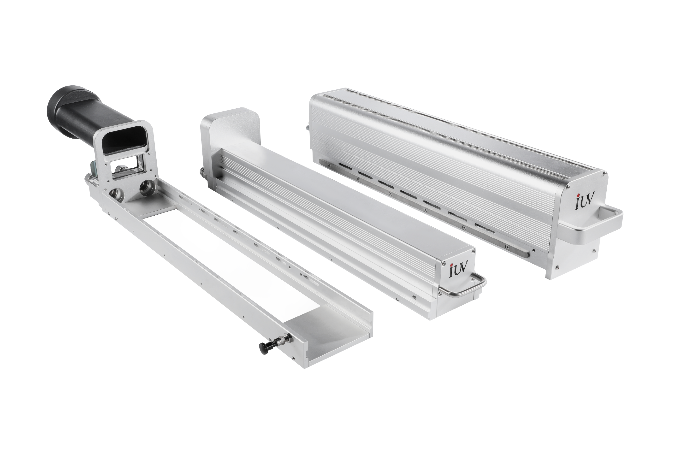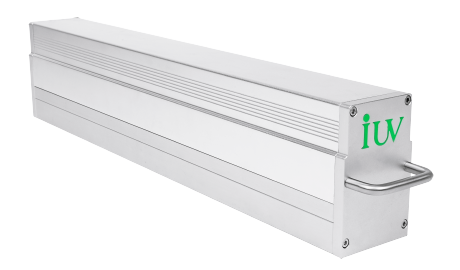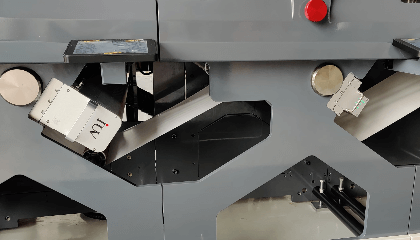
Unlocking Precision with Advanced Monitoring and Control in Next-Generation LED Curing Systems
In the competitive world of print manufacturing, achieving impeccable quality while maximizing efficiency is a constant challenge. The evolution of LED curing technology offers transformative potential, especially when integrated with advanced monitoring and control systems. This synergy ensures uniform curing, reduces waste, and enhances overall productivity, particularly in specialty printing processes such as label printing, flexographic printing, gravure printing, and narrow-web printing.
The Rise of LED UV Curing in Modern Printing
LED UV curing is revolutionizing the way printed substrates are processed. Unlike traditional mercury-vapor lamps, LED systems provide immediate start-up, instant on/off capabilities, and lower energy consumption. These benefits translate into shorter press downtime, faster turnaround times, and a more sustainable operation.
Furthermore, LEDs emit UV light at specific wavelengths optimized for curing certain inks and coatings. This selectivity enhances cure quality, minimizes heat generation, and enables curing on heat-sensitive substrates such as labels and flexible films—key components in label and narrow-web printing.
Precision Monitoring for Consistent Results
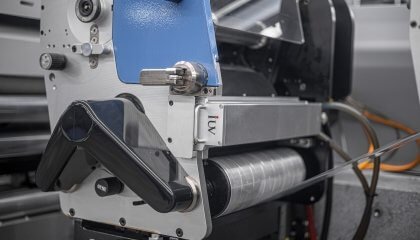
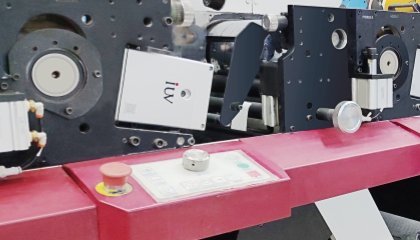
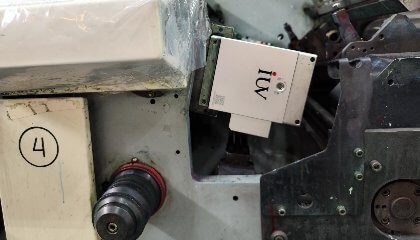
In high-quality label and flexible packaging printing, consistency is paramount. Advanced LED curing systems employ real-time sensors to monitor parameters such as UV intensity, spectral distribution, and temperature. These sensors provide instantaneous feedback, ensuring the UV output remains within specified tolerances.
Implementing multi-point sensors across the print and curing zone allows for comprehensive data collection. This data is processed via sophisticated control algorithms to adjust LED outputs automatically. Such precision minimizes variability, ensuring each printed batch maintains the desired quality standards.
Adaptive Control Systems: Tailoring Curing to Each Job
Next-generation LED curing units utilize adaptive control systems that respond dynamically to process conditions. When curing flexible substrates like labels, the system can modify UV intensity based on factors such as ink adhesion, substrate variability, or ambient temperature.
This level of control is particularly advantageous in narrow-web printing, where even minor fluctuations can lead to inconsistent curing. Adaptive systems can also compensate for aging LEDs, maintaining consistent output without manual intervention, reducing maintenance costs, and extending equipment lifespan.
Benefits for Specific Printing Techniques
Label Printing
Labels demand high clarity, durable adhesion, and vibrant color retention. Proper curing ensures ink colors are sharp and resistant to scratching or chemical exposure. Advanced monitoring guarantees the UV energy delivered is uniform across the entire label sheet, boosting quality and customer satisfaction.
Flexographic and Gravure Printing
These printing methods often involve high-volume production runs with intricate designs. Consistent curing is vital for color fidelity and adhesion. LED systems with intelligent monitoring accurately control curing energy, minimizing the risk of pinholing or incomplete cure, which can compromise the final product.
Narrow-Web Printing
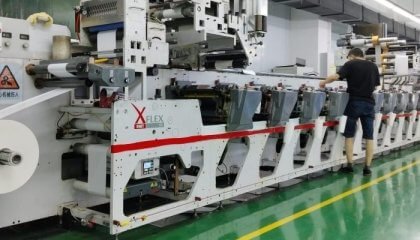
Narrow-web presses, utilized in flexible packaging and specialty applications, benefit enormously from real-time control. Since these presses often operate in tight spaces with high speed, advanced LED curing systems offer quick adjustments that maintain print consistency, reduce waste, and prevent rework.
Enhancing Efficiency and Sustainability
Integrating advanced monitoring and control not only improves print quality but also enhances operational efficiency. Precise energy management reduces power consumption, aligns with green manufacturing principles, and lowers operational costs.
Moreover, fast start-up and shutdown capabilities of LED UV systems prevent unnecessary energy waste. Automated diagnostics identify potential issues before affecting production, facilitating predictive maintenance, which reduces downtime and enhances overall equipment reliability.
Practical Applications and Future Trends
As LED technology advances, the integration of IoT and Industry 4.0 principles promises even smarter curing systems. Smart sensors combined with cloud connectivity enable remote monitoring and diagnostics, allowing printers to optimize workflows proactively.
In label, flexographic, gravure, and narrow-web applications, future systems will likely incorporate machine learning algorithms. These systems will analyze historical data to predict optimal curing parameters for different substrates and inks, pushing print quality and efficiency to new heights.
Conclusion
Harnessing the power of next-generation LED curing systems through advanced monitoring and control unlocks significant advantages for the printing industry. From ensuring uniform, high-quality curing to reducing waste and energy consumption, these systems are key in meeting the demands of modern print production.
By continuously refining control strategies and leveraging innovative sensor technologies, printers can stay ahead in a highly competitive landscape—delivering superior results while maintaining sustainable practices. As LED curing technology continues to evolve, those who adopt these intelligent systems will set new standards in print quality, process stability, and operational excellence.