<!-- Meta Pixel Code --> <!-- 结束元像素代码 -->

Adapting LED UV Curing Systems to Modern Flexo Print Lines

Adapting LED UV Curing Systems to Modern Flexo Print Lines

Adapting LED UV Curing Systems to Modern Flexo Print Lines

The evolution of printing technology is relentless. Flexographic printing, or flexo, stands as a pillar in the packaging and label industry. Its adaptability and speed make it a preferred choice for a wide range of applications. As print shops strive for greater efficiency, sustainability, and higher quality, the integration of advanced curing systems becomes paramount. Among these, LED UV curing systems are revolutionizing how flexo lines operate. Adapting these cutting-edge systems to existing or new flexo print lines offers substantial benefits.

The Rise of LED UV Curing in Flexography

Traditional UV curing systems, often employing mercury lamps, have long been a staple in flexo. However, these systems come with drawbacks. They generate significant heat, consume considerable energy, and require frequent bulb replacement. Mercury lamps also contain hazardous materials, posing environmental concerns. LED UV curing, on the other hand, presents a cleaner, more energy-efficient, and longer-lasting alternative. This shift is not just about upgrading equipment; it’s a strategic move towards more sustainable and cost-effective printing.

Benefits of LED UV for Flexo Presses

The advantages of integrating LED UV curing into flexo print lines are multifaceted. Firstly, energy efficiency is a major driver. LEDs consume significantly less power compared to mercury lamps, translating into lower electricity bills. Secondly, the reduced heat output from LEDs minimizes substrate distortion, a critical factor when printing on heat-sensitive materials like thin films or certain plastics. This leads to improved print quality and reduced waste.

Furthermore, LED UV systems offer instant on/off capabilities. This means no warm-up time is required, unlike mercury lamps. This instant response allows for immediate print start-up and shutdown, enhancing productivity. The lifespan of LED arrays is also considerably longer, often tens of thousands of hours, drastically cutting down on maintenance and replacement costs associated with bulbs.

Key Considerations for Adaptation

When adapting LED UV curing systems to modern flexo print lines, several technical aspects demand careful attention. The primary challenge often lies in ensuring proper integration with the existing press mechanics and electrical systems.

1. Spectral Output Matching: Different LED UV lamps emit light at specific wavelengths. It is crucial to select LEDs whose spectral output closely matches the absorption spectrum of the UV inks, coatings, or adhesives being used. This ensures efficient and thorough curing. Mismatched spectra can lead to under-curing, affecting adhesion, scuff resistance, and chemical resistance.

2. Power Requirements and Heat Management: While LEDs produce less heat overall, they still generate some. Proper ventilation and cooling strategies are necessary to maintain optimal operating temperatures for both the LEDs and the press components. The power supply and wiring must also be adequate for the demands of the LED units.

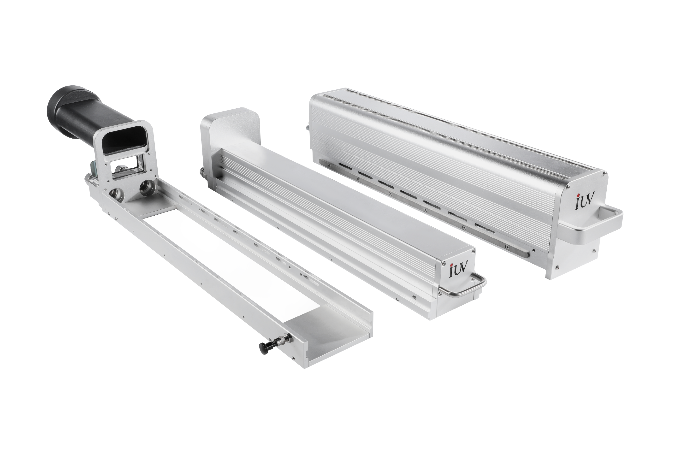
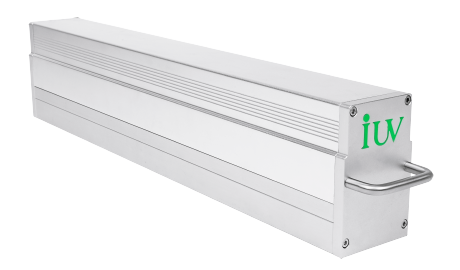
3. Physical Integration and Footprint: LED UV curing units are often more compact than their mercury lamp counterparts. This can be an advantage, allowing for easier installation in confined spaces on the flexo press. However, careful measurement and design are needed to ensure a seamless fit without interfering with other press functions.

4. Ventilation and Exhaust: Although LEDs emit less ozone, adequate ventilation is still important for overall pressroom air quality and to dissipate any residual heat. This differs from the more robust exhaust systems often required for mercury lamps.

5. Control Systems and Interfacing: Modern LED UV systems integrate with the press’s control panel for easy operation. This includes features like adjustable power output and synchronized start/stop functions. Ensuring seamless communication between the LED controller and the press control system is vital for efficient operation.

Adapting to Narrow Web Flexo Printing

Narrow web printing, typically used for labels and flexible packaging, presents its own unique set of integration challenges and opportunities for LED UV curing. The high-speed nature of narrow web presses demands curing systems that can keep pace.

1. High-Speed Performance: LED UV systems excel here. Their instant on/off and consistent output make them ideal for the rapid printing speeds common in narrow web applications. The ability to precisely control UV intensity at different speeds is a significant advantage for maintaining consistent cure quality across batches.

2. Substrate Versatility: Narrow web presses often handle a diverse range of substrates, from paper and film to foil. The lower heat output of LED UV curing is particularly beneficial for delicate films and heat-sensitive materials, preventing warping or shrinkage. This broadens the range of jobs a press can handle.

3. Reduced Downtime: The extended lifespan of LEDs means fewer interruptions for maintenance and bulb changes. For narrow web printers operating on tight production schedules, this reduction in downtime directly translates to increased output and profitability.

4. Environmental Compliance: Increasingly stringent environmental regulations favor technologies that reduce energy consumption and eliminate hazardous materials like mercury. LED UV curing aligns perfectly with these sustainability goals, offering a greener printing solution.

The Importance of UV Ink and Coating Formulations

The successful adaptation of LED UV curing is not solely dependent on the curing hardware. The inks, coatings, and adhesives used play a critical role.

1. Photoinitiator Compatibility: UV inks and coatings contain photoinitiators that absorb UV light and initiate the polymerization process, leading to curing. For LED UV systems, it’s essential to use formulations with photoinitiators that are highly responsive to the specific wavelengths emitted by the chosen LED lamps. This is a key aspect of achieving a fast and complete cure.

2. Ink and Coating Properties: LED UV curing can influence the final properties of the printed material. This includes characteristics like gloss, adhesion, scratch resistance, and chemical resistance. Selecting the right ink and coating formulation is crucial to achieve the desired aesthetic and functional performance for the end product.

3. Low Migration Formulations: For food packaging applications, the use of low-migration UV inks and coatings is paramount. These formulations are designed to minimize the transfer of uncured components to the packaged food. LED UV curing, with its efficient and precise curing capabilities, can contribute to achieving effective low migration.

Future Trends and Conclusion

The trend towards LED UV curing in flexographic printing is undeniable. As the technology matures, we are seeing advancements in LED power output, spectral flexibility, and integration capabilities. The ongoing development of UV inks and coatings specifically designed for LED curing further enhances the potential of this technology.

Adapting LED UV curing systems to modern flexo print lines represents a forward-thinking strategy. It’s an investment that yields significant returns in terms of operational efficiency, cost savings, environmental responsibility, and ultimately, superior print quality. For label printers and packaging converters looking to stay competitive, embracing this transition is not just an option, but a necessity. The synergy between advanced flexo presses and LED UV curing is shaping the future of high-performance printing.

Contact IUV Curing Experts

滚动至顶部