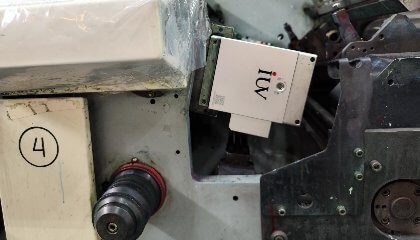
Printing thick ink layers presents a unique challenge, especially when rapid drying is a necessity. Traditional drying methods often struggle to penetrate and cure dense ink films effectively. This can lead to issues like smudging, poor adhesion, and compromised print quality. However, advancements in LED UV curing technology offer a powerful solution for overcoming these obstacles, enabling instant drying even with substantial ink deposition.
The science behind UV curing involves photopolymerization. When UV light of specific wavelengths interacts with photoinitiators in the ink, it triggers a rapid chemical reaction. This reaction causes the liquid ink to transform into a solid, cross-linked polymer. The speed and efficiency of this process are directly related to the intensity and wavelength of the UV light, as well as the formulation of the ink.
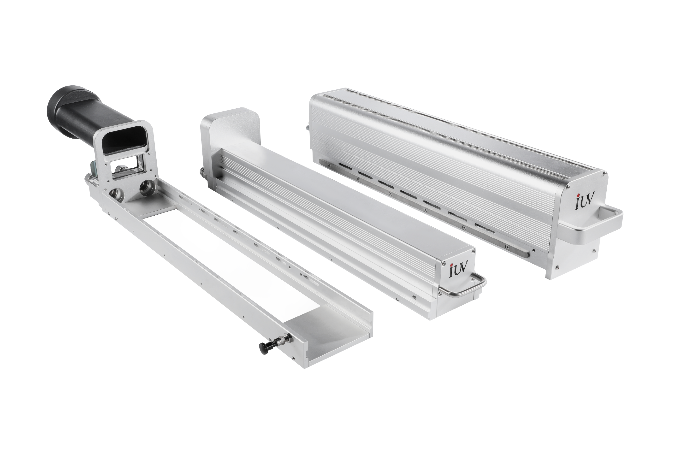
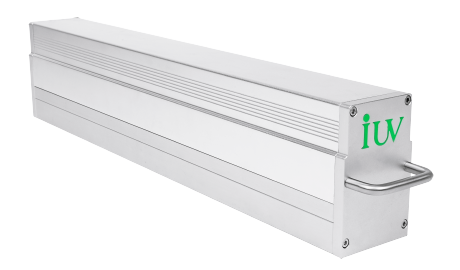
LED UV curing systems offer distinct advantages over traditional mercury-vapor lamps. LEDs emit light at precise wavelengths, meaning less energy is wasted on irrelevant spectra. This focused energy delivery allows for more efficient and targeted curing. Furthermore, LED lamps generate significantly less heat than their mercury counterparts. This is particularly beneficial when printing on heat-sensitive substrates or when dealing with thick ink layers where excessive heat can cause unwanted expansion or deformation.
Challenges with Thick Ink Layers in Printing
Printing thick ink layers is often desirable for achieving high opacity, vibrant colors, and tactile effects. However, these thicker films pose specific drying challenges for conventional methods.
- Incomplete Curing: With thick inks, UV light may not penetrate deeply enough to cure the entire ink film. This results in a surface that is dry to the touch but uncured underneath, leading to adhesion problems and poor rub resistance.
- Yellowing and Discoloration: Excessive heat generated during drying can cause inks to yellow, especially lighter colors. This is more pronounced with thicker ink layers that retain heat longer.
- Longer Drying Times: Conventional heat or solvent-based drying methods require significant time to evaporate solvents or fully cure the ink, which can slow down production speeds.
- Substrate Limitations: Some substrates are sensitive to high temperatures, limiting the drying methods that can be employed, particularly with thick ink applications.
The Role of LED UV Curing in Tackling Thick Inks
LED UV curing technology is uniquely suited to address the complexities of drying thick ink layers. Its precise energy output and minimal heat generation create an ideal environment for effective and rapid curing.
- Enhanced Penetration: By using wavelengths optimized for the specific ink formulation, LED UV systems can achieve better penetration into thicker ink films. This ensures more thorough and consistent curing throughout the entire ink layer.
- Reduced Heat Load: The low heat output of LEDs prevents overheating of the substrate and the ink itself. This minimizes the risk of yellowing, warping, and other heat-related defects, crucial for maintaining color fidelity and substrate integrity.
- Speed and Efficiency: LED UV curing provides near-instantaneous drying. The moment the ink passes under the LED lamps, the photopolymerization process is complete, allowing for immediate handling and further processing of the printed material. This dramatically increases production throughput.
- Energy Savings: LED systems are considerably more energy-efficient than traditional UV lamps. Their long lifespan also reduces maintenance and replacement costs, contributing to overall operational savings.
Key Considerations for Optimizing LED UV Curing on Thick Inks
To achieve optimal results when printing thick ink layers with LED UV curing, several factors need careful consideration and adjustment.
1. Ink Formulation and Photoinitiator Systems
The ink itself is a critical component. For thick ink applications, the ink must be specifically formulated for LED UV curing. This includes:
- Appropriate Photoinitiators: The choice of photoinitiators is paramount. They must be sensitive to the specific wavelengths emitted by the LED lamps being used. For thicker films, a combination of Type I (cleavage) and Type II (hydrogen abstraction) photoinitiators may be beneficial to ensure curing throughout the depth of the ink.
- Pigment Load and Type: High pigment loads, common in opaque inks, can absorb or scatter UV light, hindering penetration. Formulators must select pigments that allow sufficient UV transmission or use ink systems designed to mitigate this effect.
- Viscosity and Rheology: The ink’s viscosity needs to be suitable for the chosen printing process (e.g., flexography, offset). For thick laydowns, inks with good flow properties after curing are desirable to prevent surface imperfections.
2. LED Curing System Specifications
The characteristics of the LED UV curing system play a vital role.
- Wavelength Output: LEDs are available in various wavelengths. The most common for UV curing are 365 nm, 385 nm, 395 nm, and 405 nm. The choice depends on the ink’s photoinitiator package. A mismatch will result in poor or no curing.
- Irradiance (Intensity): This refers to the power density of the UV light delivered to the ink surface, measured in W/cm². Higher irradiance generally leads to faster curing. For thick inks, higher irradiance can help drive the curing process deeper into the ink layer.
- Dose (Energy Density): This is the total amount of UV energy delivered, calculated by irradiance multiplied by exposure time (J/cm²). A sufficient dose is necessary to achieve complete photopolymerization. For thick inks, a higher total dose might be required.
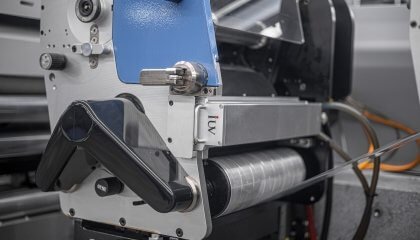
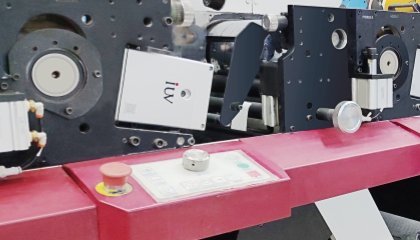
- Lamp Configuration and Placement: The number, spacing, and placement of LED lamps are crucial for ensuring uniform light coverage across the entire printed width, especially in narrow web applications. Overlapping the light fields from adjacent lamps is often necessary for consistent curing.
3. Printing Process Parameters
The printing method itself influences how thick ink layers are applied and how they interact with the curing system.
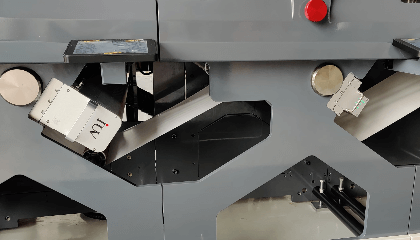
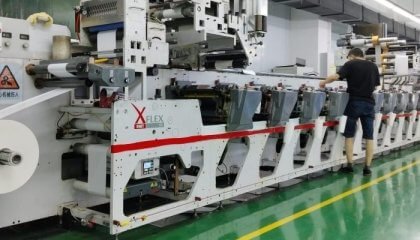
- Narrow Web Flexographic Printing: Flexography is widely used for labels and packaging. Applying thick ink layers in flexo often involves using thicker anilox rolls and softer printing plates. Proper registration and pressure are key. The LED UV lamps are typically positioned directly after the print station, allowing for immediate curing. Ensuring adequate dwell time under the lamps is critical, even with instant drying capabilities.
- Narrow Web Offset Printing: Offset printing, especially with high-quality requirements, also benefits from LED UV. For thick ink laydowns, specific offset inks formulated for UV curing and thicker plate constructions are employed. The challenge here is to manage ink transfer and prevent ghosting while ensuring full cure.
- Tag and Label Printing: This sector frequently demands vibrant colors and high opacity, often necessitating thicker ink layers. LED UV curing is a game-changer here, enabling printers to achieve durable, visually striking labels with rapid turnaround times. The ability to overprint with multiple colors and cure each layer sequentially is a significant advantage.
4. Substrate Considerations
The material being printed on has a direct impact on curing efficiency.
- UV Transparency/Opacity: Some substrates are more transparent to UV light than others. Porous or highly opaque substrates can absorb UV light, making deep curing more difficult.
- Surface Properties: The surface finish of the substrate can affect ink adhesion and curing. Glossy surfaces might require specific ink formulations to ensure good adhesion.
- Heat Sensitivity: As mentioned, LED UV’s low heat output is advantageous for heat-sensitive substrates like certain plastics or thin papers, preventing distortion.
Achieving Success in Practice
To successfully implement LED UV curing for thick ink layers, a systematic approach is required:
- Consult Ink Suppliers: Work closely with your ink manufacturer. They can provide inks specifically formulated for LED UV curing and suited for thick laydowns on your target substrates. They will also advise on the correct photoinitiator package and recommended wavelengths.
- Calibrate Curing Systems: Ensure your LED UV curing system is properly calibrated. Verify the output wavelengths and irradiance levels using a radiometer. Adjust the position and power of the lamps to achieve uniform coverage and sufficient energy dose.
- Test and Optimize: Conduct thorough testing with your specific ink, substrate, and printing press setup. Vary parameters such as lamp power, speed, and exposure time to find the optimal balance for complete curing and desired print quality. Look for signs of under-curing like tackiness, poor rub resistance, or poor adhesion.
- Understand Ink Layer Thickness: Know the approximate thickness of the ink layer you are applying. This will inform your choice of curing system and the energy required. Inks for flexo and offset presses are often measured in microns.
The Future of Thick Ink Printing with LED UV
LED UV curing technology is continuously evolving. Innovations in LED chip design and advancements in ink formulations are further enhancing the capability to cure thicker ink layers efficiently and effectively. As the demand for high-impact, tactile, and visually rich printed products grows, LED UV curing is poised to remain at the forefront, offering printers the tools they need to meet these evolving market demands with speed and superior quality. The ability to achieve instant, deep curing on substantial ink films opens up new creative possibilities and streamlines production workflows across various printing sectors.