<!-- Meta Pixel Code --> <!-- 结束元像素代码 -->

Achieving Immediate Press Readiness Using LED UV Curing in Flexo Workflows

Achieving Immediate Press Readiness Using LED UV Curing in Flexo Workflows

In the fast-paced world of narrow-web printing, particularly for labels and flexible packaging, time is a critical factor. Printers constantly seek ways to streamline operations, reduce turnaround times, and improve overall efficiency. One of the most impactful advancements in achieving immediate press readiness lies in the adoption of LED UV curing technology within flexographic workflows. This article delves into how LED UV curing revolutionizes flexo operations, enabling faster drying, enhanced print quality, and a significant boost in productivity.

The Challenge of Traditional Curing Methods

Historically, flexographic printing has relied on various drying and curing methods, including hot air drying and traditional mercury lamp UV curing. Hot air drying, while common, can be slow, requiring significant dwell time for inks to dry, leading to potential smudging or blocking issues, especially with faster press speeds. Traditional UV curing using mercury lamps offers faster drying but comes with its own set of drawbacks. These lamps generate substantial heat, which can affect the substrate and ink stability, and they consume a considerable amount of energy. Furthermore, mercury lamps have a limited lifespan and require regular replacement and specialized disposal, adding to operational costs and environmental concerns.

Introducing LED UV Curing: A Paradigm Shift

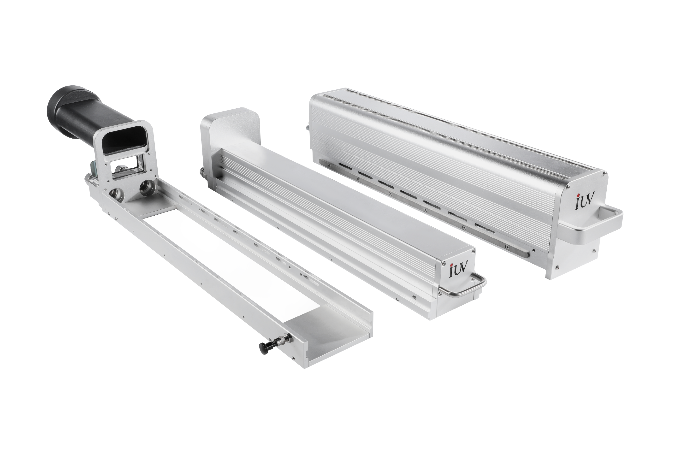
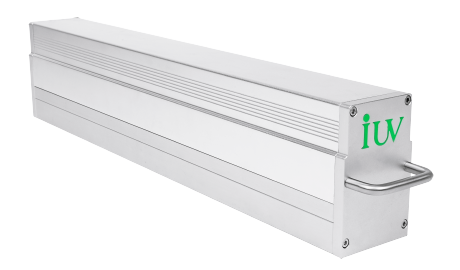
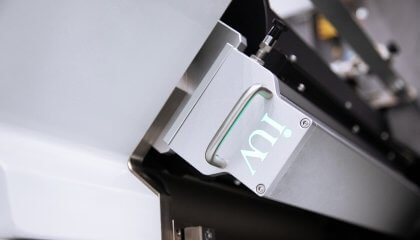
LED UV curing represents a significant technological leap forward. Instead of relying on broad-spectrum mercury vapor lamps, LED UV systems utilize light-emitting diodes (LEDs) that emit ultraviolet light within specific wavelength bands. This targeted emission is precisely matched to the photoinitiators in UV-curable inks, varnishes, and adhesives, resulting in rapid and efficient curing. The benefits of this technology extend far beyond just drying speed, impacting the entire flexo printing process and directly contributing to immediate press readiness.

Key Advantages of LED UV Curing for Flexo

The advantages of integrating LED UV curing into flexo workflows are manifold and directly address the industry’s need for speed and quality.

  • Instant Curing and Immediate Handling: The most compelling benefit is the near-instantaneous curing of inks and coatings. As the substrate passes under the LED UV lamps, the ink solidifies almost immediately. This means printed materials can be handled, rewound, or moved to the next process step without delay. There’s no need to wait for inks to dry or cool down, eliminating the risk of smearing or transfer. This capability is crucial for achieving “immediate press readiness.”
  • Reduced Energy Consumption: LEDs are remarkably energy-efficient compared to traditional mercury lamps. They consume significantly less power to achieve the same curing effect. This translates into lower electricity bills and a reduced carbon footprint for printing companies, aligning with growing sustainability demands in the packaging and label sectors.
  • Lower Heat Emission: Unlike mercury lamps that generate considerable heat, LEDs emit very little infrared radiation. This is a critical advantage when printing on heat-sensitive substrates like thin films or certain plastics. Lower heat means less risk of substrate deformation, shrinkage, or ink degradation, preserving the integrity of the printed product.
  • Longer Lifespan and Consistency: LED UV lamps have a much longer operational lifespan than mercury lamps, often lasting tens of thousands of hours. They also offer consistent UV output throughout their life, ensuring reliable curing performance job after job. This reduces downtime associated with lamp replacement and the variability in print quality that can arise from aging lamps.
  • Environmental Friendliness: LEDs are mercury-free, making them a more environmentally sound choice. Their lower energy consumption also contributes to a reduced environmental impact.

Impact on Label and Narrow-Web Printing

For the label and narrow-web printing sector, these advantages translate into tangible improvements in efficiency and profitability.

  • Increased Press Speeds: The ability to cure instantly allows printers to push their presses to their maximum operating speeds without compromising ink adhesion or finish. This directly increases throughput and reduces the time it takes to complete a print run.
  • Elimination of Drying Zones: Many older flexo presses incorporate lengthy hot air drying tunnels. LED UV curing systems can often replace these, freeing up valuable press space and simplifying the press configuration. This also reduces the complexity and maintenance associated with air drying systems.
  • Versatile Substrate and Ink Capabilities: LED UV curing is compatible with a wide range of UV-curable inks, coatings, and adhesives, including those designed for specialty effects like metallization, varnishes, and tactile finishes. The lower heat also expands the range of printable substrates, including delicate films and foils that might be damaged by heat.
  • Improved Color Consistency and Print Quality: Precise wavelength control in LED UV systems ensures consistent and complete curing of inks. This leads to sharper dot definition, better color vibrancy, and enhanced resistance to scuffing and chemicals, all contributing to a higher quality final product.
  • Reduced Waste and Rework: By ensuring immediate adhesion and proper curing, the risk of print defects such as smudging, scratching, or blocking is significantly minimized. This leads to less waste, fewer costly reprints, and happier customers.

Implementing LED UV Curing in Your Flexo Workflow

Integrating LED UV curing into an existing flexo workflow requires careful consideration.

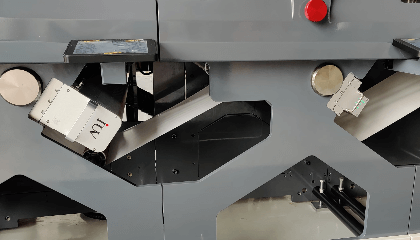
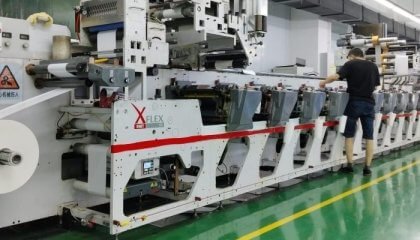
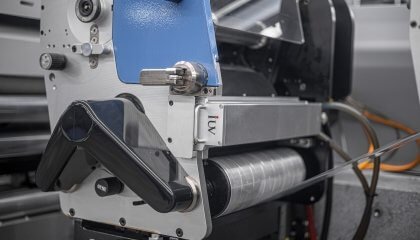
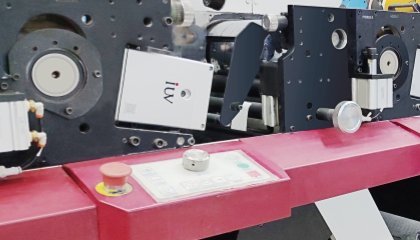
  • Press Compatibility: Many modern flexo presses are designed with LED UV curing in mind, featuring integrated cooling systems and mounting points. For older presses, retrofitting is possible, but it requires assessing the available space, power supply, and ventilation. Specialist suppliers can provide tailored solutions for retrofits.
  • Ink and Coating Selection: It’s essential to use UV-curable inks and coatings formulated for LED curing. These inks contain specific photoinitiators that react efficiently to the narrow wavelength bands emitted by LEDs. While a broader range of LED-compatible inks is now available, working closely with ink manufacturers is key to selecting the right formulations for your specific application and press setup.
  • Wavelength and Power Considerations: Different LED UV systems operate at different wavelengths (e.g., 365nm, 395nm) and offer varying power outputs (irradiance). The choice depends on the ink chemistry and the required curing speed. Higher irradiance generally leads to faster curing. Consulting with equipment manufacturers and ink suppliers is crucial to match the LED system to the ink and desired performance.
  • Operator Training: While LED UV systems are generally robust and require less maintenance than mercury lamps, operators need to be trained on their proper use, cleaning, and safety procedures. Understanding the operational parameters and the importance of maintaining the LED heads is vital for optimal performance.

Addressing Potential Concerns

While the benefits are substantial, some may have questions regarding the transition to LED UV.

  • Initial Investment: The upfront cost of LED UV curing systems can be higher than traditional mercury lamp systems. However, this investment is often recouped quickly through significant savings in energy, reduced downtime, lower maintenance, and increased productivity. The total cost of ownership over the system’s lifespan is typically much lower.
  • Spectral Limitations: Older or less sophisticated LED systems might have had limitations in their spectral output, potentially not curing all ink types as effectively. However, modern LED technology offers a wider range of wavelengths and higher outputs, addressing most flexo printing applications with excellent results.
  • Safety: Like any UV curing process, there are safety considerations. Proper eye and skin protection is necessary, and enclosed curing units are recommended to prevent exposure. Manufacturers provide comprehensive safety guidelines.

Conclusion: The Future of Flexo is Ready

The adoption of LED UV curing technology in flexographic workflows is no longer a distant prospect but a present-day reality that delivers immediate and tangible benefits. For label and narrow-web printers aiming to boost efficiency, enhance print quality, and achieve unparalleled press readiness, LED UV curing is a transformative solution. By enabling instant drying, reducing operational costs, and expanding application possibilities, it empowers printers to meet the demanding timelines and quality expectations of today’s market. Embracing this technology is a strategic move towards a more productive, sustainable, and competitive future in flexographic printing.

Contact IUV Curing Experts

滚动至顶部