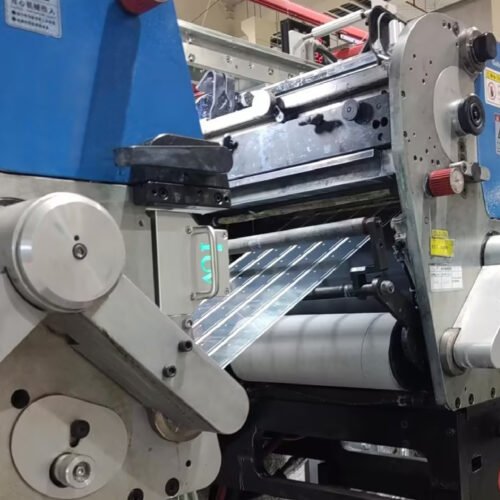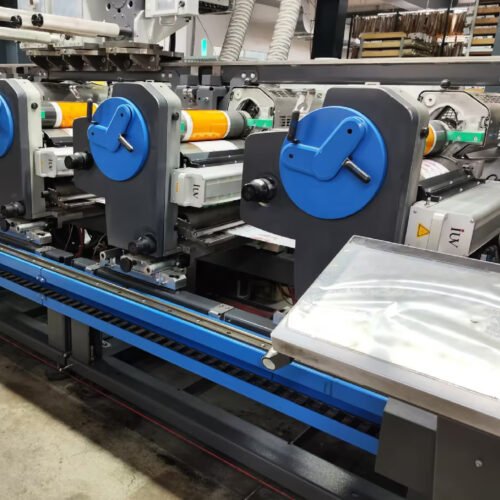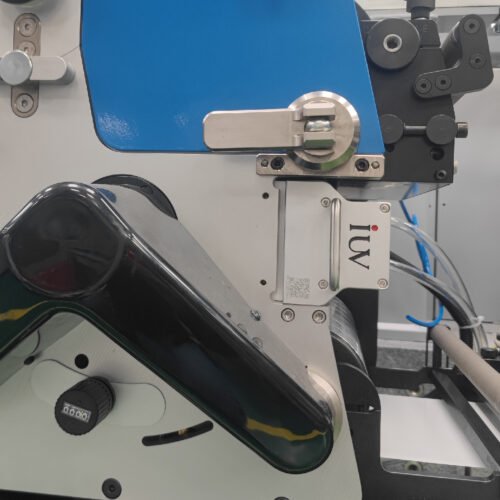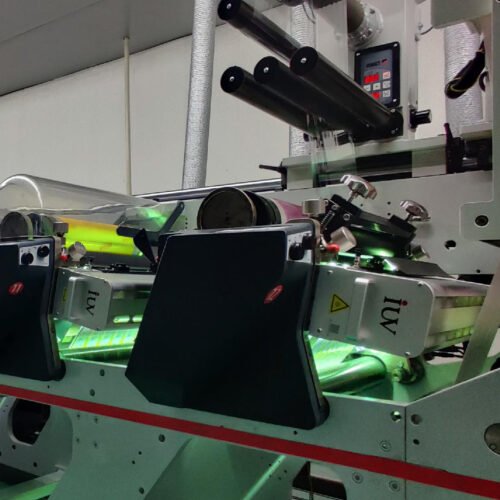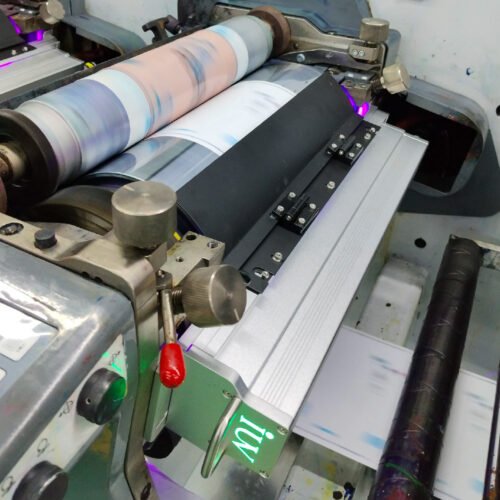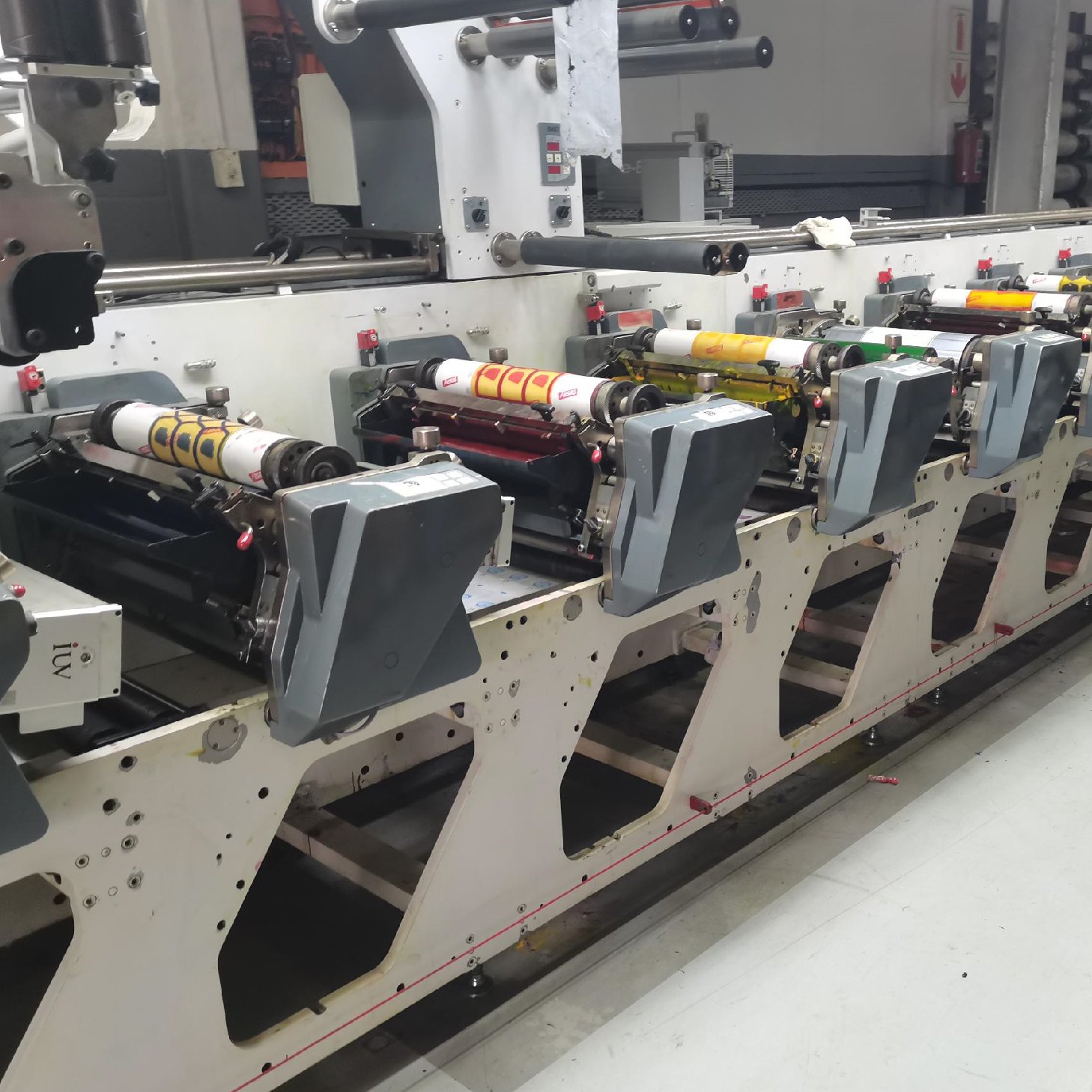
Ink adhesion remains a critical parameter in high-quality label production and narrow web printing. The introduction of LED UV curing has significantly changed how adhesion performance is achieved. Unlike traditional mercury-based systems, LED UV curing provides precise wavelength control and rapid on-demand energy delivery, which directly affects ink-substrate interactions. Achieving consistent adhesion across multiple substrates—including paper, films, metallized foils, and flexible plastics—requires careful understanding of ink chemistry, surface energy, and curing conditions.
Different substrates present unique challenges. Paper labels often have variable porosity and may absorb ink differently depending on surface treatments. Synthetic films, such as PET or BOPP, are non-porous and require sufficient surface energy for ink wetting. Metallized or coated substrates may repel standard inks unless corona or plasma treatments are applied prior to printing. In all cases, LED UV curing parameters must be optimized to ensure adequate polymerization without causing substrate deformation or overcuring.
The Role of LED UV Parameters in Adhesion
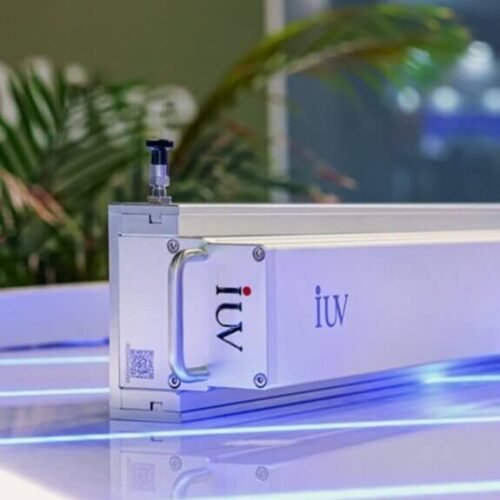
LED UV curing delivers energy at narrow spectral bands, typically centered around 365 to 405 nm. The photoinitiators in flexographic or narrow web inks are selected to absorb this energy efficiently, triggering crosslinking that solidifies the ink film. The intensity and dwell time of LED exposure must be matched to the substrate and ink layer thickness to maximize adhesion. Underexposure can result in incomplete polymerization, leaving the ink tacky or prone to smearing, while overexposure may generate excessive heat, causing substrate distortion or ink cracking.
Control of LED power output and cooling is crucial. Many narrow web presses operate at high line speeds, which can reduce the effective exposure time. Dynamic power adjustments or multi-module configurations can provide uniform energy across the web width, ensuring even adhesion across all printed areas. Monitoring irradiance and adjusting based on line speed variations is essential for maintaining consistent results on multiple substrates.
Surface Preparation and Ink Formulation
Substrate surface energy directly affects adhesion. Pre-treatment techniques such as corona, flame, or plasma treatment increase surface energy, improving ink wetting and mechanical bonding. For paper-based labels, surface coatings and sizing must be considered, as they may reduce absorbency and require higher curing doses. For films, adhesion promoters or modified ink formulations enhance chemical compatibility and mechanical interlocking.
Ink rheology and photoinitiator concentration are equally important. High-viscosity inks may not flow into micro-textures of certain films, reducing mechanical adhesion. Low-viscosity formulations may bleed on porous paper, affecting print resolution. Optimizing viscosity and curing response for the specific substrate ensures that the ink fully polymerizes and adheres reliably under LED UV exposure.
Evaluating Adhesion: Methods and Metrics
Long-term adhesion testing is necessary for reliable label production. Common methods include crosshatch tape tests, peel tests, and environmental aging studies. Crosshatch tests reveal surface adhesion uniformity, while peel tests quantify the force required to separate ink from the substrate. Accelerated aging under heat, humidity, or UV exposure simulates real-world conditions, revealing potential adhesion degradation over time.
Data from these tests allow printers to correlate LED UV parameters with adhesion performance. Consistent test results across multiple substrates indicate that curing energy, ink formulation, and surface preparation are properly balanced. Variability signals the need for parameter adjustments or substrate-specific ink formulations to maintain print quality.
Multi-Substrate Challenges in Narrow Web Flexo
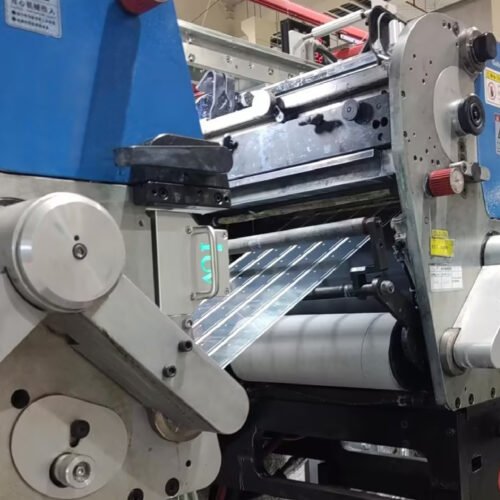
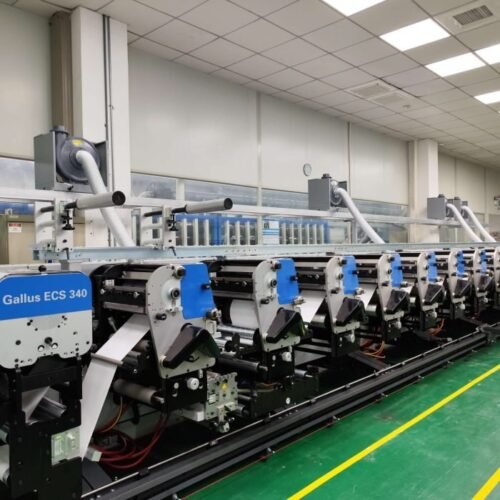
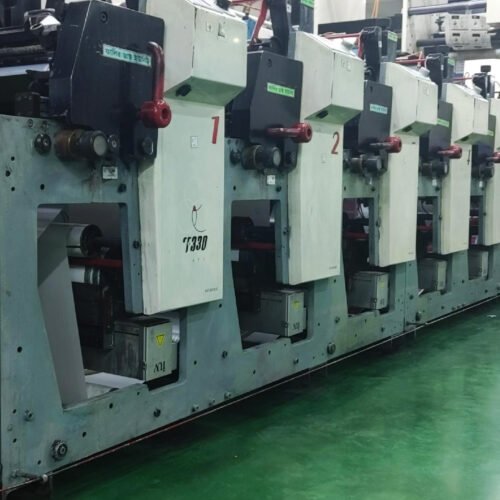
Narrow web flexographic presses often switch rapidly between different label stocks. Each substrate may require unique curing settings and ink formulations to achieve uniform adhesion. Implementing substrate-specific LED profiles, adjusting line speed, and monitoring lamp output are key practices. Automated feedback systems can detect deviations in real-time, adjusting energy delivery to maintain adhesion consistency throughout the run.
Adhesion issues often appear in high-density ink areas or on non-porous substrates. By profiling irradiance across the web and modifying LED module spacing or exposure duration, presses can maintain polymerization uniformity. This reduces risks of delamination, ink lifting, or edge cracking, even in multi-color wet-on-wet printing sequences.
Environmental and Operational Considerations
LED UV curing offers lower thermal impact on substrates compared to traditional mercury lamps. This advantage is critical for heat-sensitive films or coated papers, where excessive temperature can cause curling, wrinkling, or surface deformation. Maintaining optimal cooling for LED modules ensures that peak irradiance does not introduce localized overheating, preserving both substrate integrity and adhesion.
Operational stability is another factor. Regular cleaning of optical windows, consistent electrical supply, and controlled environmental conditions support predictable adhesion performance. In multi-shift operations, monitoring module degradation or diodes’ intensity decay ensures that adhesion reliability remains high over long production cycles.
Long-Term Performance and Quality Assurance
The ultimate measure of adhesion reliability is performance over time. Labels must withstand handling, application, environmental stress, and shelf life requirements. Data collected from LED UV curing systems across different substrates help engineers refine ink formulations, adjust curing profiles, and implement preventive maintenance schedules. Properly tuned systems deliver consistent adhesion, even under high-speed production conditions and across varied substrate types.
The combination of controlled LED output, optimized ink chemistry, and substrate preparation forms the foundation of reliable adhesion. In high-quality label printing, this integration minimizes rejects, reduces downtime, and enhances customer satisfaction. By continuously monitoring adhesion metrics and refining process parameters, narrow web flexo printers achieve predictable and durable results across all substrate types.
Conclusion
Evaluating ink adhesion reliability under LED UV curing conditions requires a holistic understanding of substrate properties, ink chemistry, and curing system capabilities. By carefully calibrating irradiance, dwell time, and cooling, printers can achieve stable adhesion across diverse materials. Regular testing, environmental control, and process optimization ensure long-term durability, even in multi-color or wet-on-wet sequences. This approach strengthens label quality, improves production efficiency, and supports consistent output across all narrow web flexo operations.