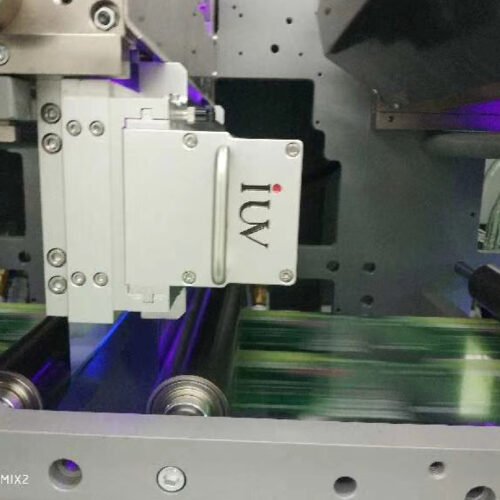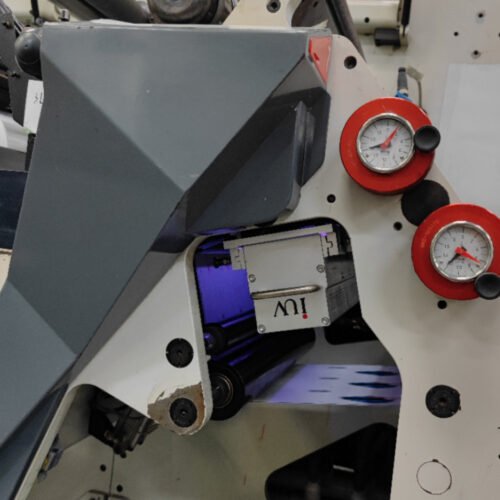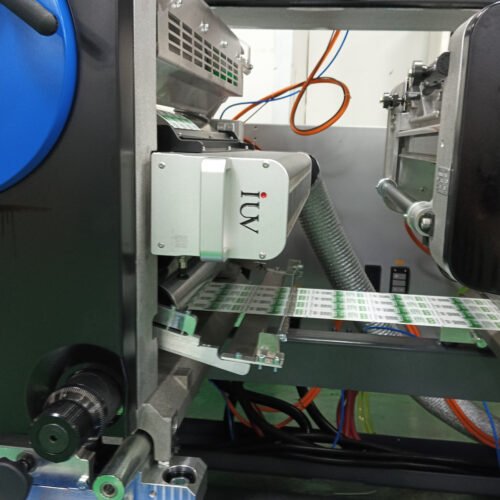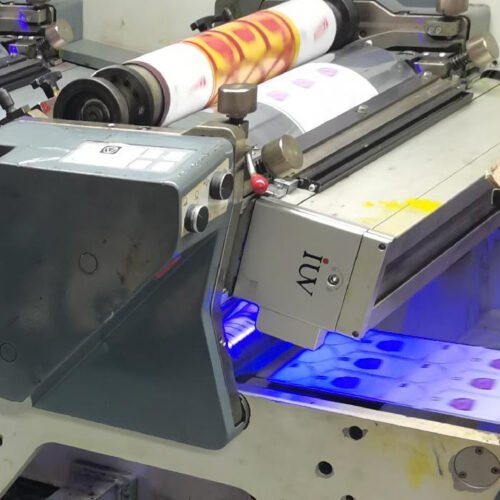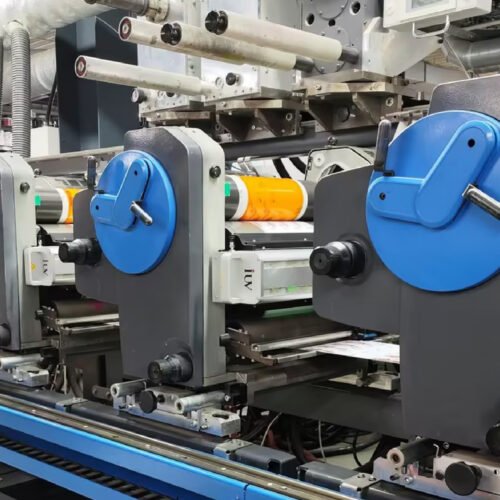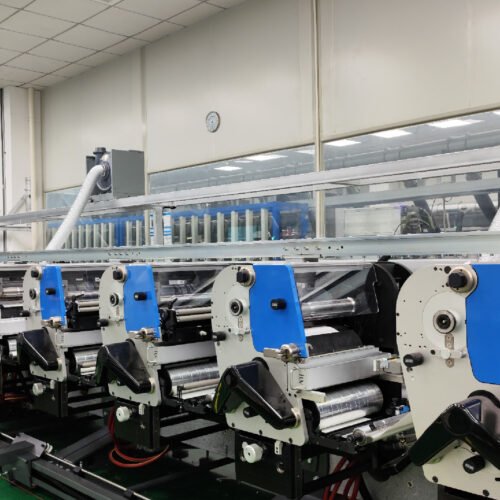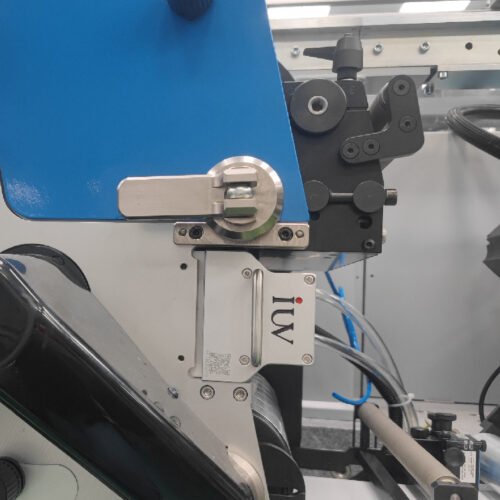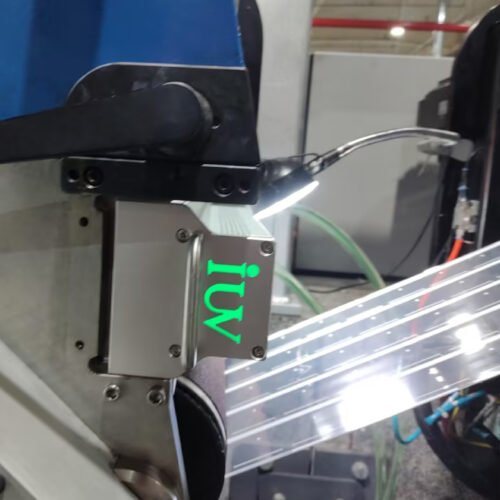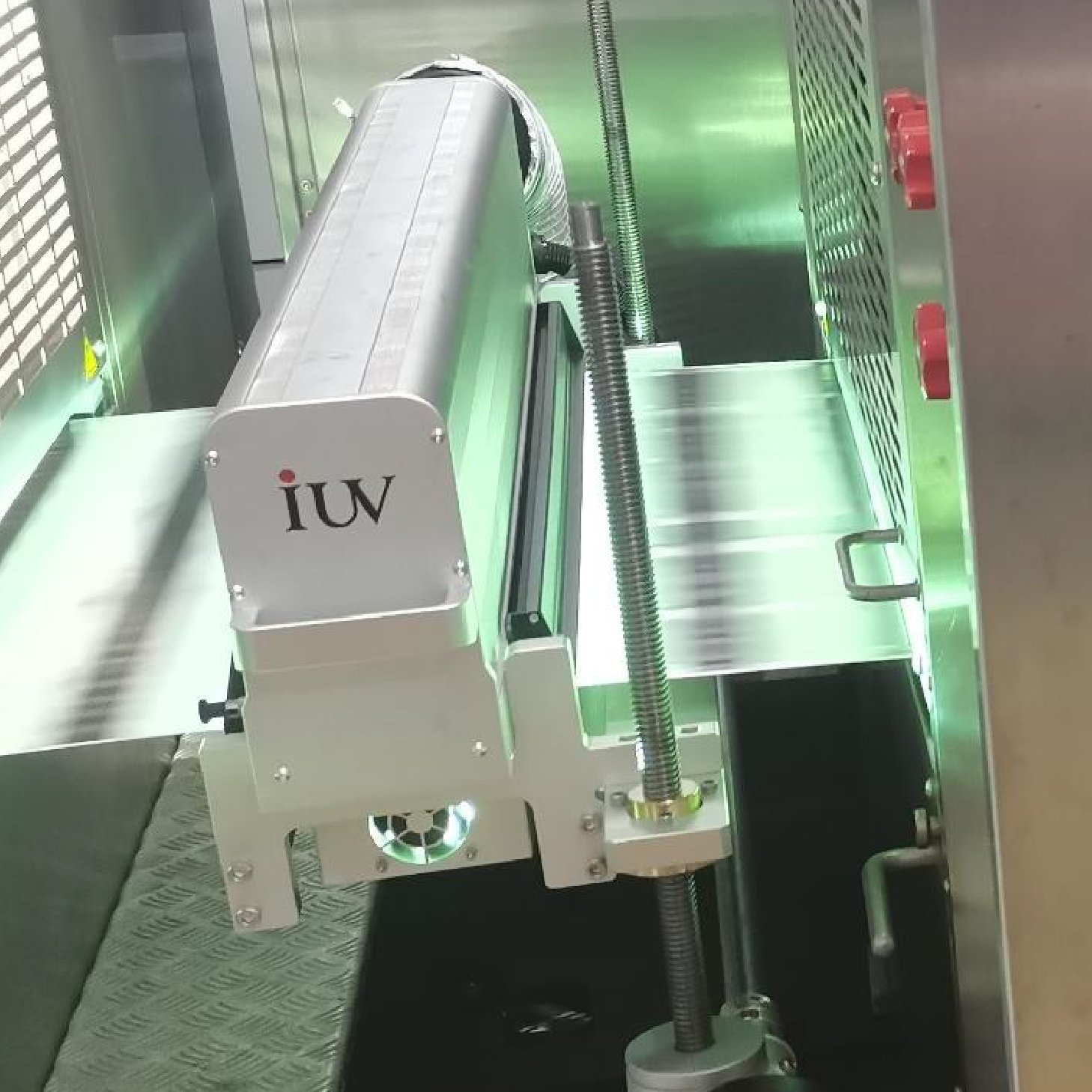
The label printing landscape faces a significant technological shift. Conventional mercury arc lamps, once the industry standard, are losing ground to LED UV curing systems. For narrow web converters and flexographic printers, this transition represents more than just a light source change. It is a fundamental upgrade in process control, energy management, and substrate versatility. Modern label converting lines require high uptime and consistent quality. LED UV technology addresses these needs by offering a stable, cool, and efficient curing environment.
Thermal Management and Substrate Versatility
One of the most immediate benefits of LED UV curing is the drastic reduction in heat transfer to the substrate. Traditional mercury lamps emit a broad spectrum of light, including significant infrared (IR) radiation. This IR energy heats up the web, the rollers, and the printing press itself. In narrow web applications, excessive heat causes thin films to stretch or distort. This leads to registration issues and wasted material.
LED UV systems emit light in a narrow band, typically centered around 385nm or 395nm. They produce almost no IR radiation. This “cold” curing process allows converters to run heat-sensitive materials that were previously difficult to handle. Polyethylene (PE), shrink sleeves, and very thin unsupported films can now be processed at high speeds without the risk of melting or deformation. Engineers no longer need to rely on complex chill rollers to the same extent, simplifying the press configuration.
Enhanced Curing Consistency in Flexo and Offset
In flexographic and offset label printing, ink performance depends on consistent energy delivery. Mercury lamps degrade over time. Their UV output drops as the bulb ages, requiring operators to slow down the press or increase power to maintain a full cure. This variability creates uncertainty in the production process. If the ink is not fully cross-linked, it can lead to scratching, offsetting, or migration issues.
LED UV units provide a stable output for their entire lifespan, which often exceeds 20,000 to 30,000 hours. The irradiance remains constant from the first day to the fifth year. For a label converter, this means the press settings used today will yield the same results six months from now. This predictability is vital for brand owners who demand color consistency and durable finishes across multiple production runs.
Operational Efficiency and Energy Savings
The financial argument for LED UV centers on energy consumption. Traditional UV lamps require a warm-up period and a cool-down period. They often stay on “standby” mode even when the press is not actively printing, wasting electricity. LED systems offer instant on/off functionality. The lamps only consume power when the press is running and the sensors detect the web.
From an engineering perspective, the energy conversion of LEDs is far superior. A typical LED UV system can reduce power consumption by 50% to 70% compared to mercury arc systems. For a narrow web shop running multiple shifts, these savings translate directly into lower overhead. Furthermore, LED units do not require the massive extraction fans and ductwork needed to remove ozone and heat, further reducing the factory’s total energy footprint.
Productivity and Press Uptime
Modern converting lines thrive on throughput. Every minute spent changing a bulb or waiting for a lamp to warm up is lost revenue. Mercury bulbs usually need replacement every 1,000 to 2,000 hours. In a high-volume label plant, this results in frequent maintenance cycles and the risk of mid-run failures.
LED UV modules are solid-state devices. They do not have shutters, reflectors that need constant cleaning, or bulbs that shatter. Maintenance is generally limited to checking cooling filters or ensuring the protective glass is clean. This reliability allows for higher press speeds on complex jobs. Because the light source is more compact, it also fits more easily into tight spaces on a narrow web press, allowing for better ink station ergonomics.
Improved Ink Adhesion and Specialty Coatings
The monochromatic output of LED UV has pushed ink manufacturers to innovate. Modern LED-curable inks are formulated with highly efficient photoinitiators that react specifically to the 395nm wavelength. This targeted curing often results in better through-cure, especially for thick ink layers or highly pigmented whites and blacks.
In label converting, the adhesion of the ink to the substrate is paramount. LED UV provides a deep, thorough cure that improves the mechanical bond between the ink and the film or paper. This is particularly beneficial for tactile varnishes and heavy coating applications used in the wine and spirits or cosmetic sectors. The stability of the LED output ensures that the varnish maintains its gloss level and rub resistance throughout the entire job.
Environmental Impact and Workplace Safety
The printing industry faces increasing pressure to adopt sustainable practices. Mercury lamps contain hazardous materials that require specialized disposal. They also generate ozone, a gas that must be vented out of the building to protect operator health.
LED UV technology is mercury-free and ozone-free. Removing ozone extraction simplifies the installation of the press and improves the air quality in the production area. It also eliminates the noise associated with high-powered exhaust blowers. By choosing LED, converters can market themselves as “green” partners to brands that prioritize environmental responsibility in their supply chains.
Integrating LED into Existing Lines
Retrofitting an existing flexo or offset press with LED UV is a common strategy for extending the life of older equipment. Many modern LED systems are designed to be “plug and play.” They can replace arc lamp housings with minimal mechanical changes. The compact size of LED arrays makes them ideal for narrow web converters where space is at a premium.
While the initial investment in LED technology is higher than traditional UV, the Total Cost of Ownership (TCO) tells a different story. When calculating the savings from reduced energy bills, fewer replacement parts, and decreased waste, the ROI typically falls within 12 to 24 months. For new label converting lines, LED is increasingly becoming the default specification from original equipment manufacturers (OEMs).
Technical Precision in Narrow Web Converting
The narrow web format demands precision. Whether printing self-adhesive labels, wrap-around labels, or flexible packaging, the margin for error is slim. LED UV supports this precision by maintaining a stable temperature environment. It prevents the “cockling” of paper and the thermal expansion of plastic liners.
In the die-cutting stage, which often follows the curing stations, material stability is critical. If the web has been overheated by mercury lamps, the liner can become brittle or the adhesive can bleed. LED curing keeps the web at near-ambient temperatures. This ensures that the die-cutting and stripping processes remain clean, reducing the risk of web breaks or jammed matrix rewinds.
Final Thoughts on Technical Adoption
The transition to LED UV curing is a logical step for any label converter focused on modernization. The technology has moved past the early-adopter stage and is now a proven industrial solution. It solves the primary pain points of traditional UV: heat management, energy waste, and maintenance downtime.
For engineers and production managers, the shift to LED UV is about gaining control over the process. It allows for faster run speeds on more substrates with higher consistency. As ink formulations continue to improve and the cost of LED diodes decreases, the competitive advantage of this technology will only grow. In the high-stakes world of label converting, LED UV is no longer an optional upgrade; it is the foundation of a modern, efficient print room.