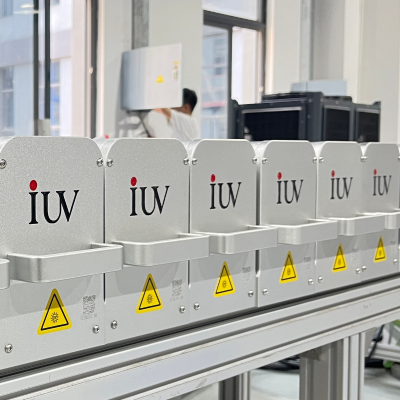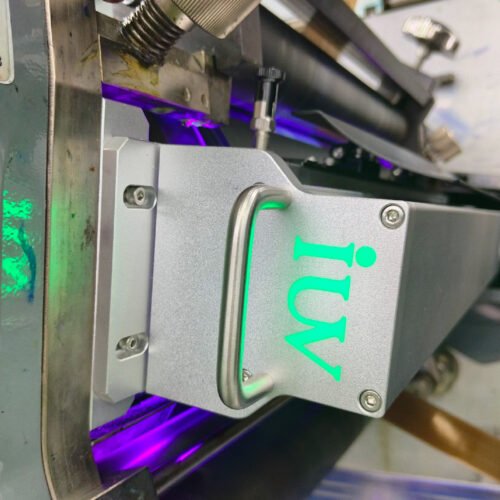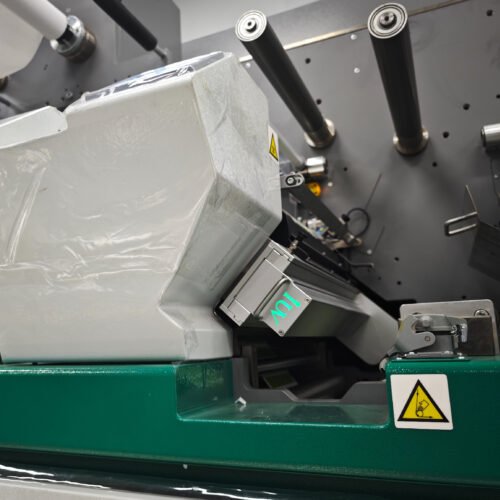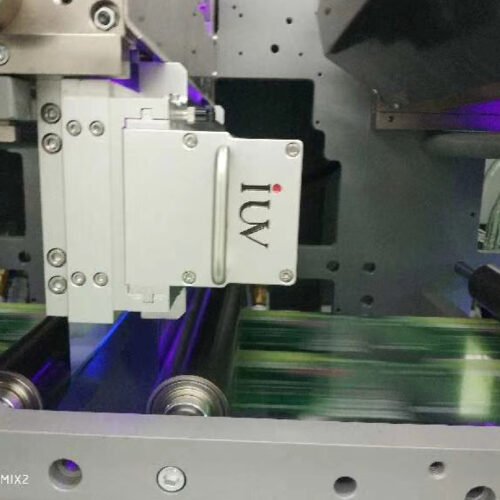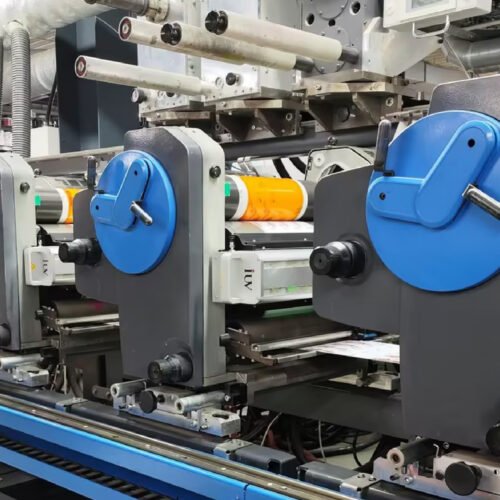

High-speed printing demands efficiency at every stage, and ink drying is a critical bottleneck. Traditional drying methods often struggle to keep pace with modern press speeds, leading to slower production, potential smudging, and increased waste. Fortunately, LED UV curing technology offers a powerful solution, enabling significantly faster drying times and unlocking new levels of productivity for label, flexographic, and offset printing applications.
This advanced curing process utilizes light-emitting diodes (LEDs) to emit ultraviolet (UV) light at specific wavelengths. When this UV light interacts with specially formulated UV-curable inks, it triggers a rapid photochemical reaction. This reaction, known as polymerization, instantly transforms the liquid ink into a solid, dry film. The speed and effectiveness of this process are transformative for high-speed printing environments.
The Science Behind LED UV Curing
Unlike conventional UV lamps that emit a broad spectrum of UV light and significant heat, LED UV systems are highly targeted. They emit light within a narrow, precise wavelength range, typically in the UVA spectrum. This specificity is key to their efficiency. The energy from the LEDs is directly absorbed by the photoinitiators within the UV ink. These photoinitiators, upon absorbing the UV energy, generate free radicals. These free radicals then initiate a chain reaction, linking together the ink’s oligomers and monomers into a robust, cross-linked polymer matrix.
This rapid polymerization is what achieves instant drying. The ink essentially solidifies on the substrate almost immediately upon exposure to the LED UV light. This contrasts sharply with solvent-based inks, which rely on evaporation, a much slower process. Heat-set inks also require substantial heat and time to dry, and even conventional UV lamps can generate considerable heat that needs to be managed.
Benefits for High-Speed Printing
The advantages of LED UV curing for high-speed printing operations are substantial and multi-faceted.
1. Accelerated Drying Speeds: This is the most apparent benefit. LED UV curing can dry inks in fractions of a second. This allows printing presses to operate at their maximum mechanical speeds without the fear of ink not drying adequately. For label printing, where intricate designs and tight registration are paramount, this ensures sharp, clean output even at high throughputs.
2. Enhanced Productivity and Throughput: By eliminating or drastically reducing drying times, presses can run continuously. There’s no need to slow down for ink to dry or to wait for subsequent processes. This directly translates to higher job volumes completed in the same timeframe, boosting overall operational efficiency and profitability.
3. Superior Print Quality and Durability: The rapid polymerization process creates a highly durable and scratch-resistant ink film. This is particularly important for labels and packaging that undergo significant handling or exposure to harsh environments. Colors remain vibrant, and fine details are preserved, leading to a premium finish that reflects well on the brand.
4. Reduced Substrate De-lamination and Warping: Conventional heat-based drying methods can introduce moisture or excessive heat, which can cause thin or sensitive substrates, common in narrow web label printing, to warp or delaminate. LED UV curing generates very little heat. This “cool cure” process significantly reduces the thermal stress on the substrate, preserving its integrity and dimensional stability.
5. Energy Efficiency: While the initial investment in LED UV systems might be higher, their long-term operational cost is considerably lower. LEDs are far more energy-efficient than traditional mercury vapor UV lamps. They consume less power and have a much longer operational lifespan, reducing maintenance and replacement costs. Furthermore, they reach full intensity immediately, unlike traditional lamps that require warm-up time.
6. Environmental Advantages: LED UV inks are typically 100% solids, meaning they contain no volatile organic compounds (VOCs). This eliminates the emission of harmful VOCs into the workplace and the environment, contributing to a safer and more sustainable printing process. This aligns with increasing industry and regulatory demands for greener printing practices.
Applications in Specific Printing Sectors
The versatility of LED UV curing makes it an ideal choice across various printing sectors, especially those focused on high-speed production.
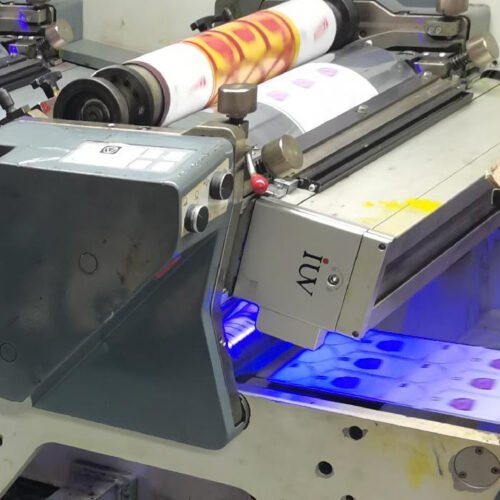
Narrow Web Label Printing: The label printing industry, with its focus on high-volume, high-speed production of diverse label types, has widely adopted LED UV curing. The ability to cure instantly on a variety of substrates, from paper to plastics, while maintaining excellent print quality and durability, is crucial. The reduced heat output is also a significant advantage for heat-sensitive label stocks. Flexographic printing, a mainstay in narrow web, benefits immensely from the fast cure, allowing for intricate multicolor designs at high speeds.
Flexographic Printing: Beyond narrow web, flexographic printing for packaging, commercial products, and more, finds LED UV curing to be a game-changer. High-speed flexo presses can now achieve speeds previously unattainable with older drying technologies. The instant cure ensures inks stay where they are intended, preventing ink transfer issues between print stations or during rewind operations. This leads to cleaner prints and less waste.
Offset Printing: While offset printing has traditionally relied on heat-set or conventional UV, LED UV curing is making significant inroads. Sheetfed offset presses can achieve faster run times and immediate post-press handling. This is particularly beneficial for applications requiring quick turnaround times, such as short-run packaging or commercial print jobs. The enhanced durability also means offset prints can withstand more demanding finishing processes.
Optimizing LED UV Curing for High-Speed Performance
To fully leverage the benefits of LED UV curing in a high-speed printing environment, several factors need careful consideration:
1. Ink Formulation: The choice of UV-curable ink is paramount. These inks must be specifically formulated for LED UV curing, ensuring they contain the correct photoinitiators sensitive to the specific wavelengths emitted by the LED lamps. Different printing processes and substrates may require inks with varying viscosity, adhesion properties, and flexibility. Collaborating with ink manufacturers is key to selecting the optimal formulation.
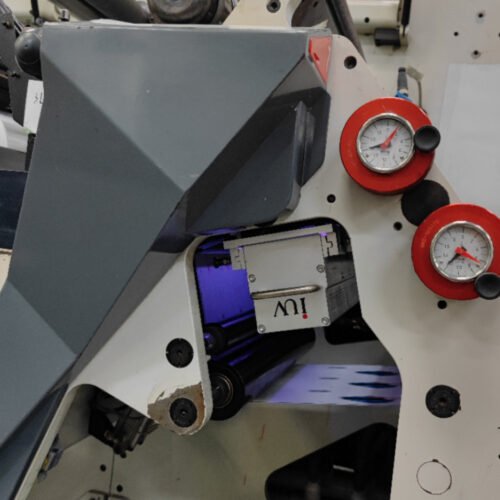
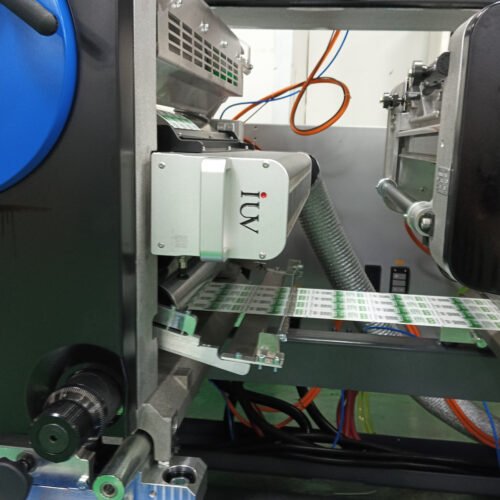
2. LED Lamp Selection and Integration: Not all LED UV systems are created equal. Factors such as power output (irradiance), wavelength consistency, beam uniformity, and lamp lifespan are critical. The system must be precisely matched to the press speed and ink curing requirements. Proper integration onto the printing press, ensuring correct placement relative to the print stations, is vital for effective ink curing. The cooling system for the LEDs also needs to be robust to maintain performance and longevity.
3. Substrate Compatibility: While LED UV curing is compatible with a wide range of substrates, it’s important to ensure the substrate can withstand the printing process and any subsequent finishing. The low-heat nature of LED UV is a significant advantage here, but compatibility with the chosen ink and curing system should always be verified.
4. Press Speed and Exposure Time: The speed of the printing press directly dictates the exposure time the ink has to the UV light. The LED UV system must deliver sufficient UV energy within this limited timeframe to achieve complete polymerization. This requires careful calibration of the LED system’s power output and the press’s operating speed.
5. Quality Control and Testing: Regular quality control checks are essential. This includes verifying ink adhesion, scratch resistance, and color consistency. Understanding the specific requirements for each job and conducting test runs can help fine-tune the curing process and prevent issues before full production.
The Future is Fast and Cured
The demand for faster, more efficient, and sustainable printing processes continues to grow. LED UV curing technology is at the forefront of this evolution, offering a compelling solution for high-speed printing operations. By understanding the technology’s principles and carefully optimizing its implementation, printers can achieve unparalleled drying speeds, enhance productivity, improve print quality, and embrace a more environmentally friendly approach. As press speeds increase and the need for immediate turnaround becomes the norm, LED UV curing will remain an indispensable tool for staying competitive in the dynamic world of modern printing.