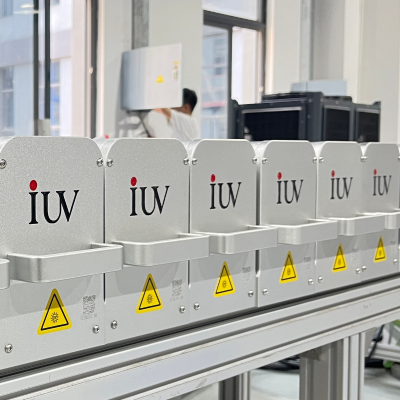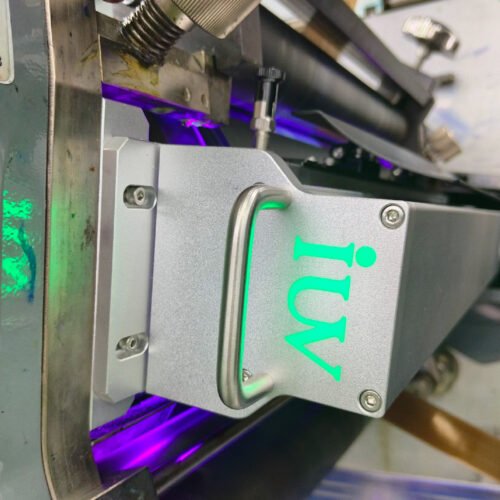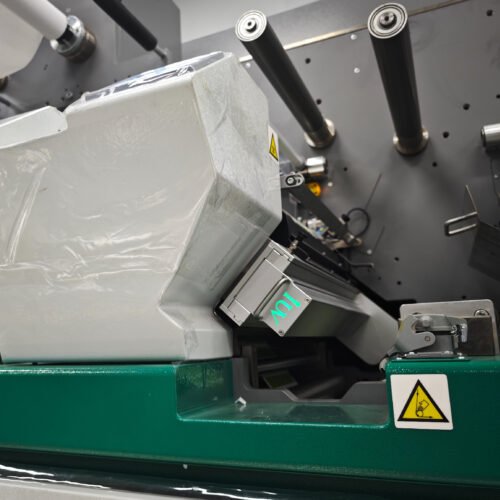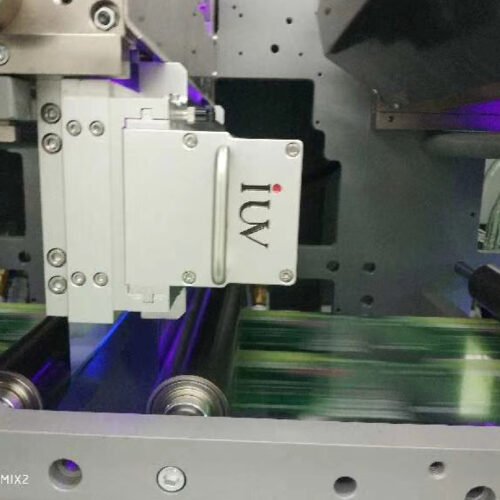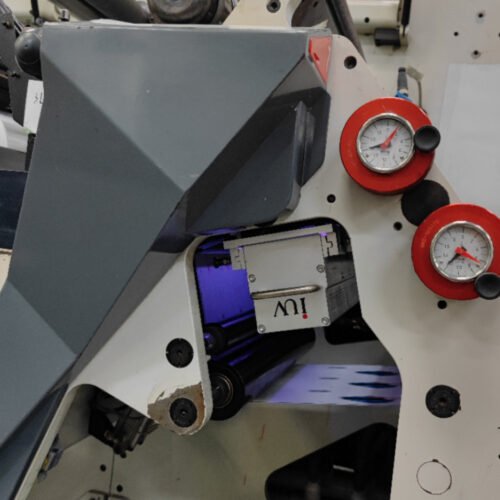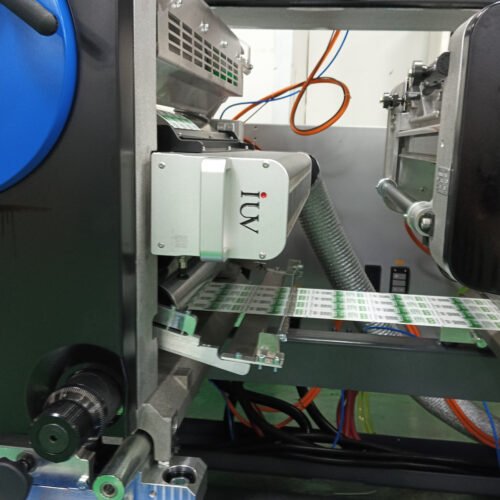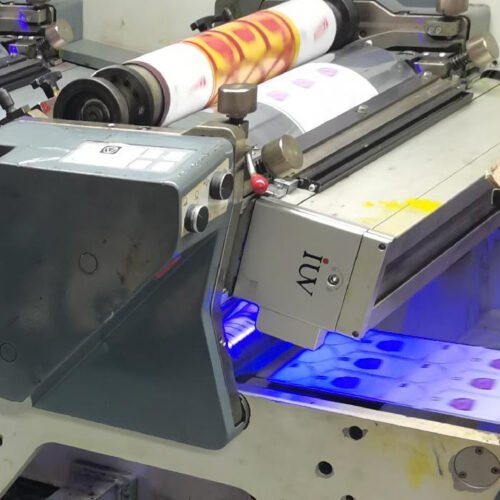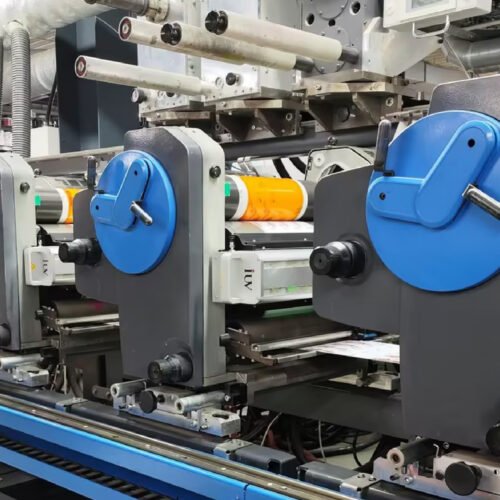
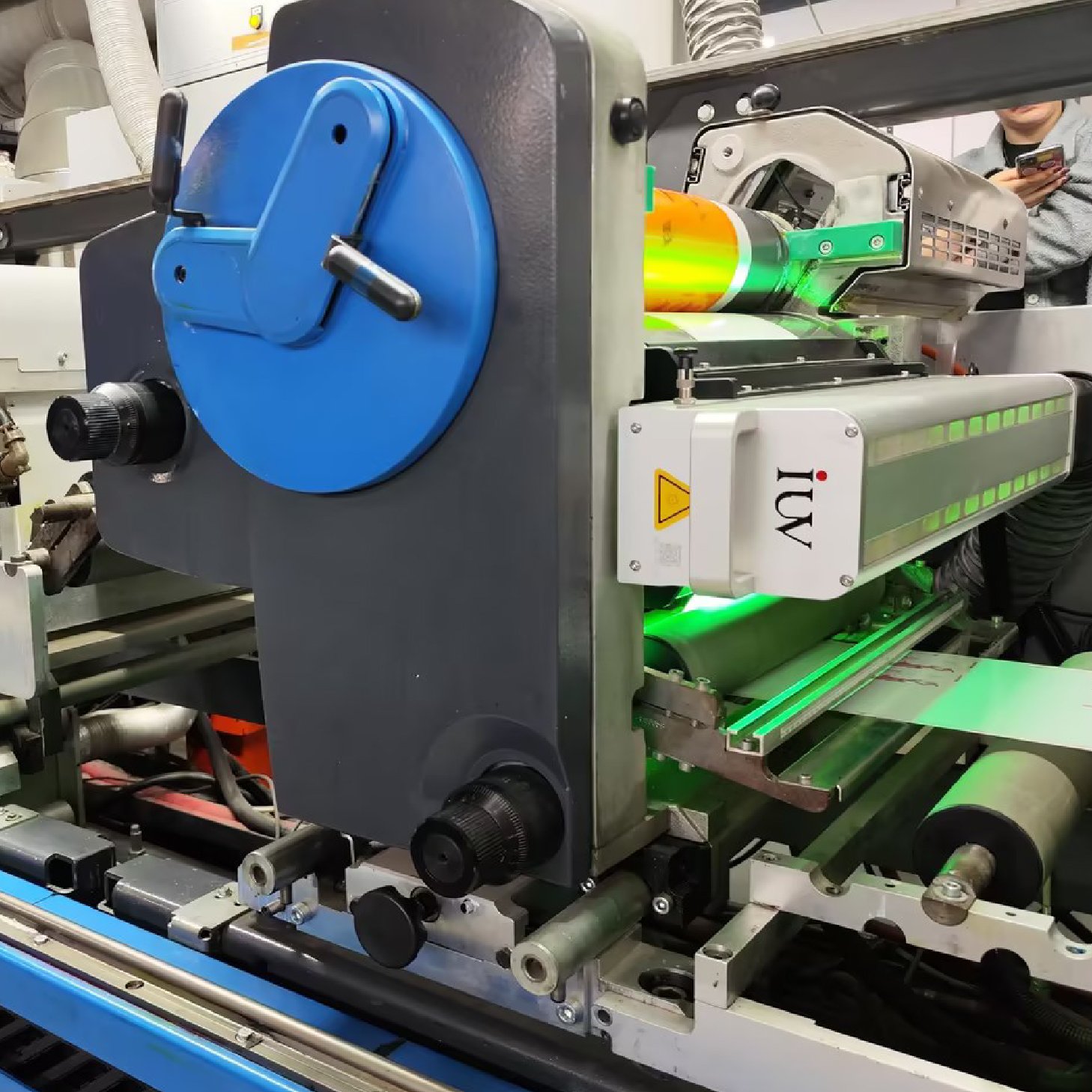
The landscape of label printing is constantly evolving, driven by demands for faster turnaround times, greater customization, and enhanced print quality. Within this dynamic environment, narrow-web digital label presses have emerged as a powerful solution for short to medium runs. A critical component that elevates the performance of these presses is the integration of LED UV curing technology. This advanced curing method offers a compelling suite of advantages that are fundamentally reshaping the narrow-web printing process.
Traditionally, label printing relied on thermal curing or mercury vapor UV lamps. While these methods served their purpose, they came with inherent limitations. Thermal curing often required significant energy input and could lead to substrate distortion, particularly with heat-sensitive materials. Mercury vapor UV lamps, though effective, presented environmental concerns due to their mercury content and produced substantial heat, impacting both the printing environment and the substrate. The advent of LED UV curing technology has provided a cleaner, more efficient, and versatile alternative, perfectly aligning with the needs of modern narrow-web digital label printing.
One of the most significant benefits of LED UV curing is its energy efficiency. Compared to traditional mercury lamps, LEDs consume considerably less power to achieve effective curing. This translates into lower operational costs for printing businesses, a crucial factor in maintaining competitiveness. Furthermore, this reduced energy consumption has a positive environmental impact, aligning with the growing industry focus on sustainability. For narrow-web presses, where space and power can be considerations, the compact nature and lower power demands of LED UV systems are particularly advantageous.
Another key advantage is the instantaneous curing capability. LED UV lamps emit UV light at specific wavelengths that initiate the rapid polymerization of UV-curable inks, coatings, and adhesives. This immediate curing means that printed labels can be handled, rewound, or further processed almost instantly after passing through the curing unit. This drastically reduces production bottlenecks, allowing for higher press speeds and improved throughput. In the fast-paced world of label production, where meeting tight deadlines is paramount, this ability to “cure on the fly” is invaluable.
The controlled wavelength output of LED UV systems is a distinct technological superiority. Unlike mercury lamps that emit a broad spectrum of UV light, LEDs can be precisely engineered to emit light at specific wavelengths. This targeted approach ensures that the UV energy is optimally utilized for curing the ink or coating, leading to more complete and consistent cures. This precision also minimizes unwanted heat generation, which is a major concern when printing on thin or heat-sensitive substrates commonly used in label applications, such as certain films and papers.
The reduced heat emission from LED UV systems is a significant factor in substrate compatibility and print quality. Mercury lamps generate a substantial amount of infrared radiation, which can warp, shrink, or discolor delicate label materials. LEDs, on the other hand, produce very little heat, allowing for the printing of a wider range of substrates without compromising their integrity. This versatility opens up new possibilities for label designers and printers, enabling them to work with innovative materials and achieve unique finishes without the risk of heat damage.
Longevity and durability are further hallmarks of LED UV technology. LED lamps have a significantly longer operational lifespan compared to mercury vapor lamps, often lasting tens of thousands of hours. This extended life reduces replacement frequency, thereby lowering maintenance costs and minimizing downtime. The robust nature of LED systems also makes them more resistant to vibration and shock, which can be beneficial in the demanding environment of a high-speed printing press.
Environmental and safety considerations also favor LED UV curing. As mentioned earlier, LEDs do not contain mercury, making them a more environmentally friendly option. Their lower energy consumption also contributes to a reduced carbon footprint. Furthermore, the targeted UV spectrum emitted by LEDs can be designed to minimize exposure to wavelengths that could be harmful, contributing to a safer working environment for press operators. The absence of ozone generation, which is a byproduct of some mercury lamp curing processes, is another safety benefit.
In the context of narrow-web digital printing, LED UV curing facilitates the use of a wider array of inks and coatings. This includes high-performance inks that offer exceptional scratch and chemical resistance, as well as specialized coatings for decorative effects like high-gloss, matte, or textured finishes. The ability to cure these advanced formulations effectively and efficiently is directly enabled by the precise and powerful output of LED UV technology.
The integration of LED UV curing also enhances the overall print quality achievable on narrow-web digital presses. The rapid and thorough curing process results in sharper dot definition, more vibrant colors, and improved ink adhesion. This leads to labels that not only look superior but also perform better in terms of durability and resistance to environmental factors. For brands, this means packaging that stands out on the shelf and maintains its aesthetic appeal throughout its lifecycle.
Consider the application in flexographic printing on narrow webs, where UV-curable inks are widely employed. LED UV offers a more consistent and controllable cure compared to traditional UV systems, leading to more predictable ink performance and reduced waste. This is particularly relevant for high-speed flexo runs where maintaining ink tack and preventing smudging is critical.
Similarly, in offset printing for labels, especially web offset, LED UV curing allows for faster speeds and the use of UV inks without the thermal stress issues associated with older technologies. This broadens the application scope of offset on narrow webs for short to medium runs, where previously only digital might have been a viable option due to drying limitations.
The move towards digital printing for labels, with its inherent flexibility and speed for short runs, is further amplified by LED UV curing. Digital presses equipped with LED UV systems can achieve results that rival traditional printing methods in terms of quality and durability, while retaining the advantages of on-demand production and variable data printing. This combination is a powerful offering for the modern label market.
Looking ahead, the continuous advancements in LED technology promise even greater efficiency, increased power output, and broader spectral options, further solidifying LED UV curing’s position as the go-to solution for narrow-web digital label presses. As the printing industry continues to embrace innovation and sustainability, the advantages offered by LED UV curing will remain a key differentiator for printers seeking to optimize their operations, enhance their product offerings, and meet the evolving demands of their clientele. The precision, efficiency, and versatility it brings are not just incremental improvements; they represent a significant leap forward in label printing capabilities.