Understanding LED Curing Performance Across Different Print Materials
The advancement of LED UV curing technology has revolutionized the printing industry. Its ability to quickly cure inks and coatings with low energy consumption makes it an attractive option for various print applications. When considering the effectiveness of LED curing, especially across diverse print materials, it’s essential to understand how different substrates influence curing quality, durability, and overall print performance.
This comprehensive analysis explores how LED curing performs on various print materials used in label printing, flexo (flexographic) printing, printing on rubber plates, and narrow web printing. By examining material-specific interactions with LED UV light, we can optimize print quality and efficiency.
The Fundamentals of LED UV Curing Technology
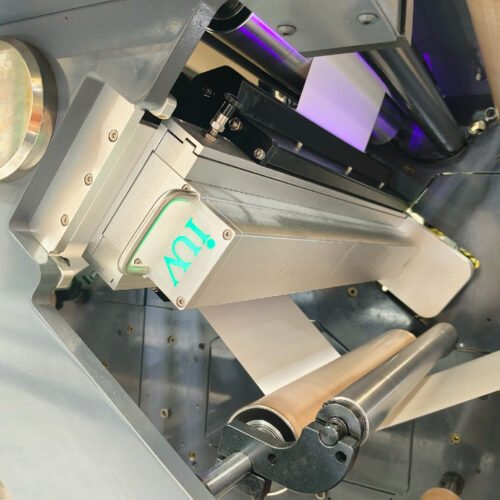
LED UV curing employs ultraviolet light-emitting diodes to initiate photopolymerization of inks and coatings. Unlike traditional UV lamps, LED units emit specific wavelengths, usually around 365–405 nm, which correspond to the absorption peaks of photoinitiators in UV inks.
The advantages of LED curing include reduced heat generation, instant start-up, longer lifespan, and energy efficiency. However, the success of LED curing heavily depends on the substrate’s compatibility with UV light, ink formulation, and coating characteristics.
Factors Affecting LED Curing Performance in Different Materials
Curing effectiveness depends on several factors, such as ink absorption, color pigmentation, surface topography, and substrate translucency. Thicker or more opaque materials can hinder UV light penetration, reducing curing depth.
More specifically, the properties of the substrate—such as surface energy, flexibility, gloss level, and absorption capacity—directly influence how well LED UV curing performs.
Label Printing Materials and LED UV Curing
Label printing often involves materials like polyethylene (PE), polypropylene (PP), polyester films, and paper stocks. These materials vary in their UV transparency and surface energies.
Plastic Films
Polyethylene and polypropylene are hydrophobic and tend to have low surface energy, which requires specialized inks with excellent adhesion properties. Since many plastic films are also somewhat opaque or reflective, LED UV light may face challenges in penetrating thick or heavily coated surfaces, resulting in incomplete curing.
Optimization tips include:
- Using high-photoinitiator inks formulated specifically for plastic substrates.
- Employing surface treatments like corona or flame to enhance adhesion.
- Adjusting LED curing intensity or duration to ensure complete cure.
Paper and Cardstock
Paper substrates usually transmit UV light more effectively, especially if they are coated or treated for UV compatibility. UV curing on paper tends to have higher success rates, yielding sharp, durable print images.
Flexographic Printing and LED UV
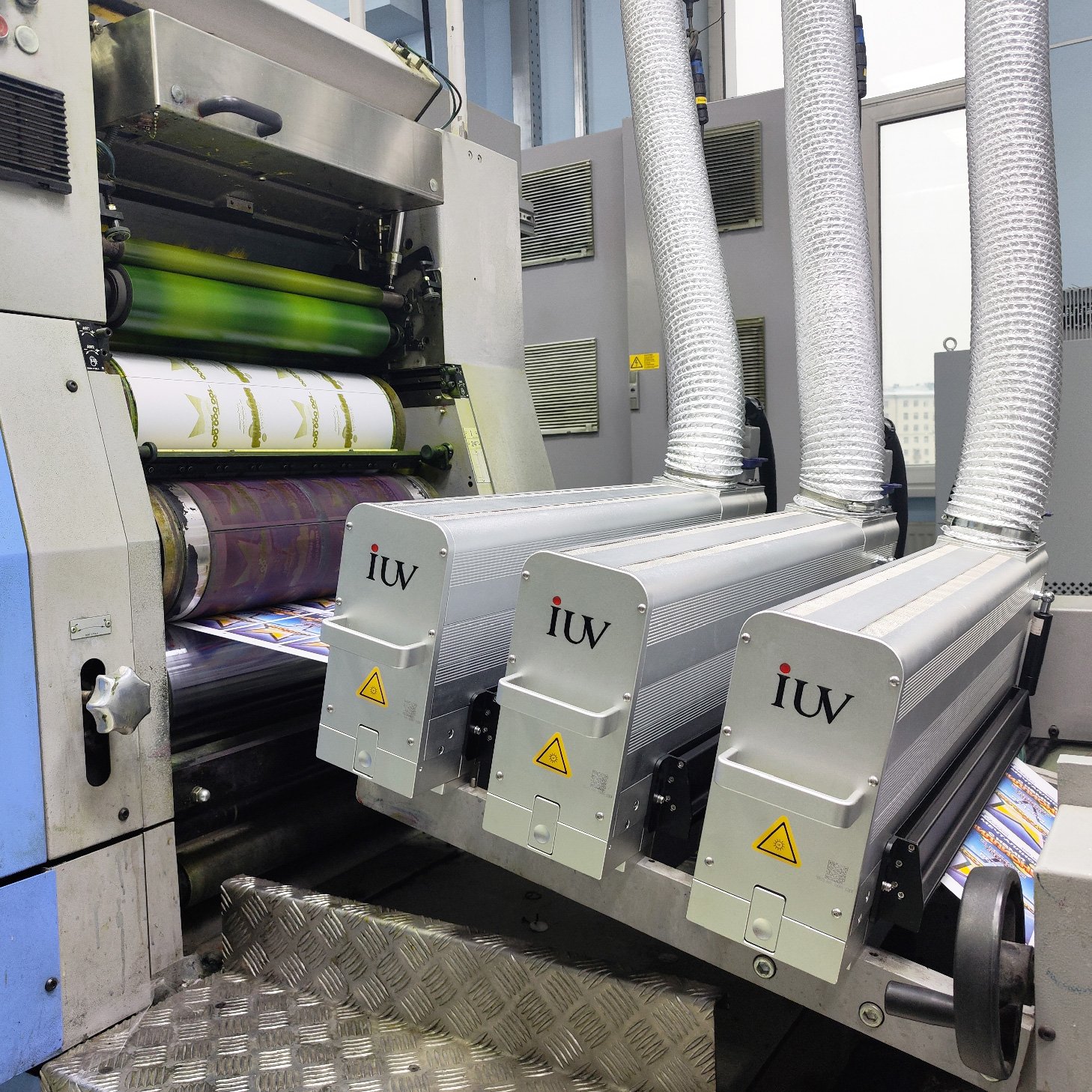
Flexo printing is widely used for packaging, labels, and flexible materials. Flexo inks are designed to dry quickly through oxidation and curing processes.
Flexible Substrates
Flexible films and papers respond well to LED UV curing due to their porosity and absorption properties. However, highly reflective or glossy surfaces can pose challenges for even curing.
To maximize LED UV performance:
- Use inks with high photoinitiator content tailored for flexo applications.
- Choose LED curing systems with adjustable wavelength settings.
- Optimize curing distance and movement speed to balance exposure and cure quality.
Rubber Plates and LED UV Curing
Rubber or photopolymer plates are common in flexo and letterpress printing. Curing on rubber plates involves intricate interactions, as the plate surface can have uneven textures, affecting UV penetration.
In these cases:
- Select inks that are compatible with UV curing and adhere well to rubber surfaces.
- Fine-tune LED curing parameters to prevent underexposure in recessed areas.
- Consider the light reflectivity of the rubber surface, which can influence the curing uniformity.
Narrow Web Printing and LED Curing Advantage
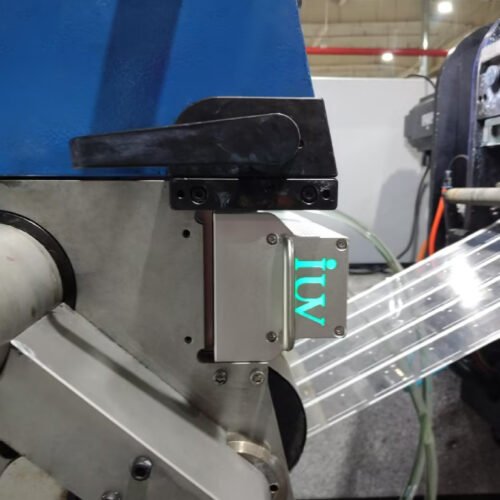
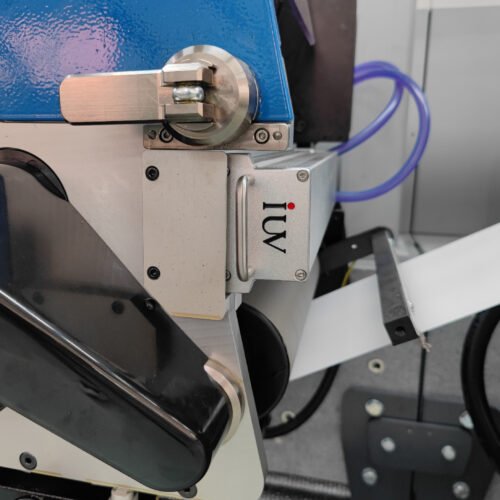
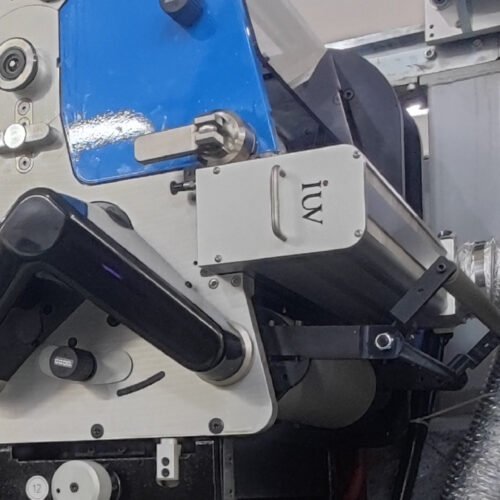
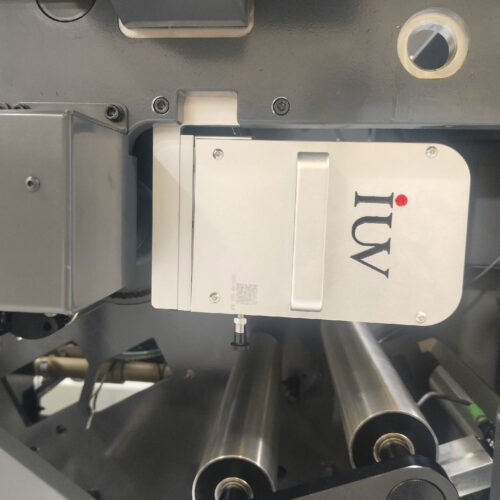
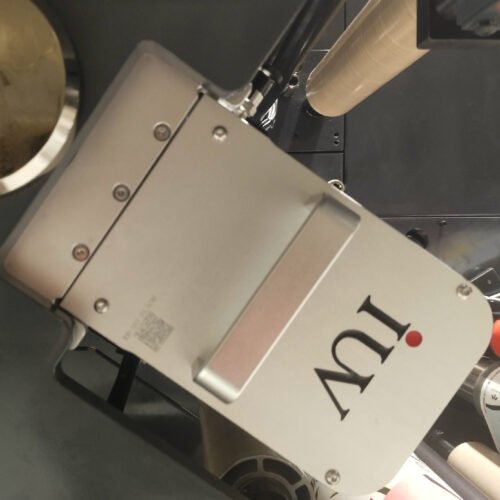
Narrow web printing involves printing on small substrates, such as labels, tags, and RFID tags. Precise control over curing is crucial for high-density graphics and fine details.
LED curing stands out here because:
- Its instant curing minimizes substrate movement, improving registration and precision.
- It allows for curing in confined spaces due to its small form factor.
- The ability to customize wavelength options enhances curing on specialty inks and substrates.
In narrow web applications, attention must be paid to:
- Ensuring the LED system supplies uniform light coverage.
- Adjusting curing parameters based on substrate transparency and ink layers.
- Choosing inks compatible with sensitive materials to prevent discoloration or damage.
UV Absorption and Material Compatibility
Different materials absorb or reflect UV light differently, influencing curing depth and adhesion quality. Opaque or highly pigmented surfaces—especially those rich in carbon black or metallic pigments—may hinder UV light penetration.
Strategies to improve curing include:
- Using inks with higher photoinitiator concentrations.
- Layering multiple thin coats instead of thick layers.
- Incorporating photo-sensitizers into inks to enhance UV absorption.
Environmental and Operational Considerations
LED UV systems generate less heat, making them suitable for heat-sensitive materials like thin plastic films or coated papers. Their rapid start-up also reduces idle time, increasing productivity and reducing energy costs.
However, operators should consider:
- Proper alignment of LED modules to ensure uniform curing.
- Adequate ventilation and safety measures for UV exposure.
- Routine maintenance to sustain consistent curing performance.
Future Trends in LED Curing for Diverse Materials
As LED UV technology continues to evolve, its compatibility with an expanding range of substrates will improve. New photoinitiator chemistries and ink formulations aim to optimize curing for opaque, textured, or flexible materials.
Emerging developments include:
- Multi-wavelength LED systems that can switch wavelengths on the fly.
- Adaptive curing systems with real-time feedback for precision control.
- Hybrid systems combining LED UV and traditional UV for challenging substrates.
Final Thoughts
Choosing the right LED curing setup for various print materials depends on understanding the unique interactions between the UV light, ink formulation, and substrate properties. By tailoring curing parameters and selecting compatible materials, printers can achieve superior quality, productivity, and durability across label, flexo, rubber plate, and narrow web printing applications. Continuous innovation will further expand the flexibility and effectiveness of LED UV curing in the diverse landscape of modern printing.