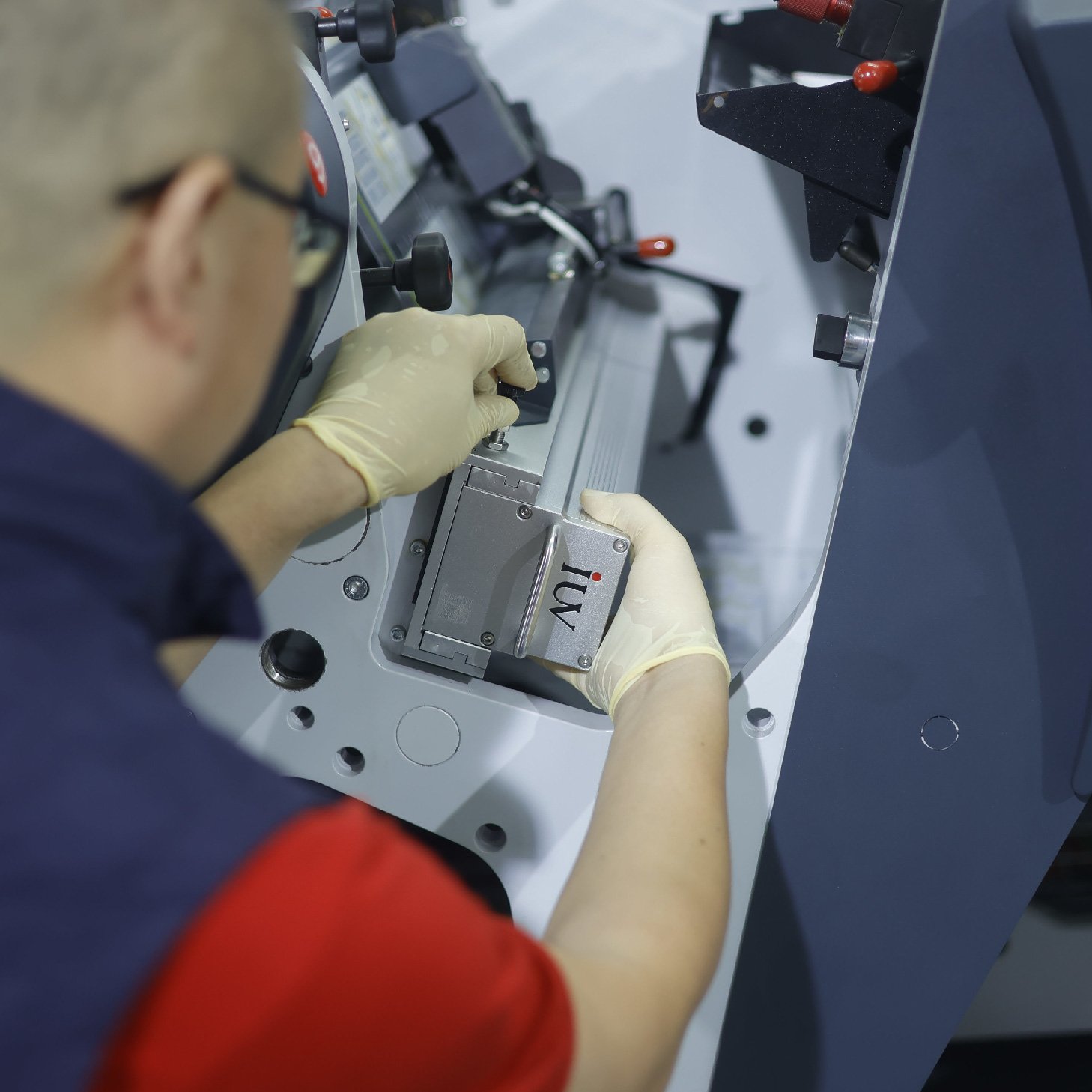
Enhancing Printing Registration with Precise LED Curing Control in Narrow Spectrum and Specialty Printing
Achieving optimal print registration remains a cornerstone of high-quality printing across various press types. For labels, flexo, gravure (cliché), and narrow-width printing, precise registration enhances visual clarity, minimizes waste, and ensures consistent color placement. As the printing industry evolves, integrating advanced LED UV curing technology offers a new level of control, particularly in controlling curing consistency and enhancing color fidelity. This article explores how precise LED curing control can significantly improve printing registration, especially in demanding applications such as label, flexo, and narrow-format processes.
Understanding the Role of UV Curing in Specialty Printing
UV curing involves the polymerization of inks and coatings using ultraviolet light, creating instant dry times that lead to improved productivity. LED UV curing systems utilize light-emitting diodes that emit UV light at specific wavelengths, offering energy efficiency, longer lifespan, and instant-on capabilities. These characteristics are particularly beneficial for narrow-width and specialty printing, where registration precision is affected by curing-related variables.
The Criticality of Registration in Labels, Flexo, and Cliché Printing
In label and flexible packaging printing, registration precision directly influences the final product’s quality—affecting readability, brand accuracy, and aesthetic appeal. Flexographic printing, often used for corrugated and flexible packaging, requires consistent plate registration to avoid misalignments that can compromise structural and visual integrity. Cliché (gravure) printing similarly demands exact registration to prevent ghosting and color bleed, especially when multiple colors or effects are involved.
Among these, narrow-width printing presents unique challenges, as even minor registration errors become more visible and disruptive. Controlling curing parameters is vital here, as inconsistent curing can cause ink spread, shrinkage, or delays that impair registration.
LED UV Curing for Enhanced Registration Control
The unique properties of LED UV curing bring new opportunities for improving registration. Precise control over curing light intensity, wavelength, and timing allows for adjustable curing profiles that match specific inks, substrates, and printing conditions. This control ensures uniform ink hardening and reduces color shift or distortion that leads to registration drift.
One of the key advantages is the fast start-up time and instant power modulation. The curing intensity can be finely tuned during each print run, accommodating color separations and multi-pass processes requiring tight registration. During high-speed narrow-width printing, this rapid adjustability ensures that curing does not induce substrate distortion, which is often a culprit in misregistration.
In addition, specific wavelength customization permits selective curing of particular ink components, minimizing substrate effects and coating behaviors that influence registration. For example, curing only the ink surface reduces the chances of ink shrinkage, which can pull colors out of position. Such precision prevents cumulative registration errors over long runs.
Controlling Curing Profile for Major Printing Techniques
Label Printing:
Environmental conditions, substrate variability, and ink formulations all influence print accuracy. LED curing offers the ability to adapt curing intensity in real time, ensuring each label remains aligned throughout the process. Adjusting the curing profile based on the ink and substrate combination prevents over-curing and subsequent ink contraction, which can cause misregistration.
Flexographic Printing:
Flexo benefits greatly from precise LED curing control. In high-speed presses, any inconsistency in curing can lead to registration shifts. By deploying programmable LED curing systems with sensor feedback, operators can automatically calibrate exposure, ensuring ink remains stable and registration stays accurate even during constant production.
Cliché and Gravure Printing:
In gravure printing, where fine detail and color registration are paramount, targeted UV curing ensures each engraved cell is cured precisely without lateral movement. Customizable curing intensity reduces the risk of ink washout or smearing, maintaining sharp registration even with complex multi-color jobs.
Narrow-Width Printing:
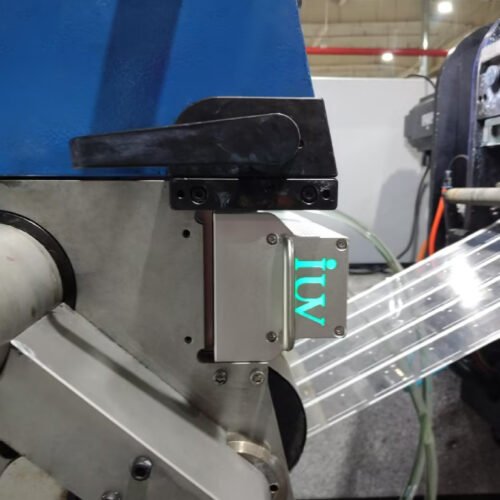
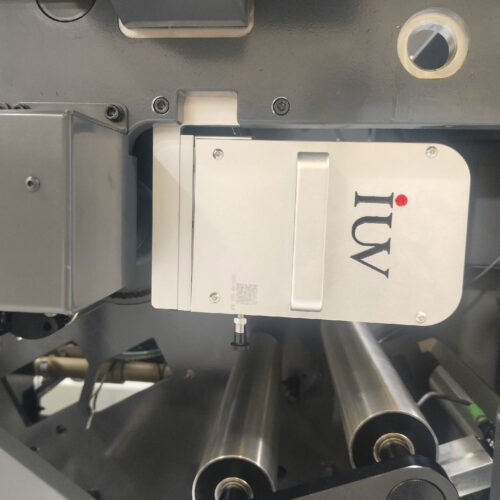
The inherent challenges of narrow format printing demand exact control of curing times and intensity. LED UV systems that offer pixel-level control enable manufacturers to fine-tune curing for every inch of flexible media. This precision minimizes deformation and ensures that registration marks align perfectly after multiple passes.
The Impact of LED Curing on Registration Accuracy
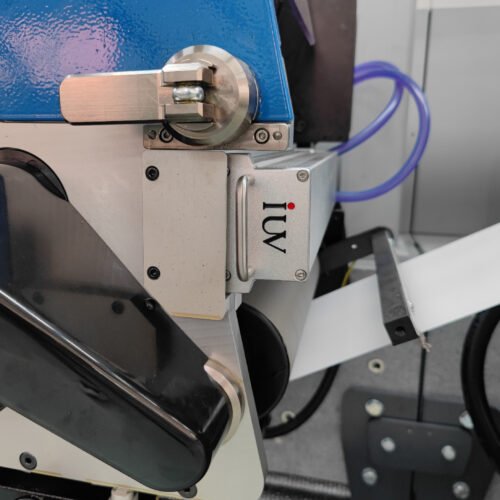
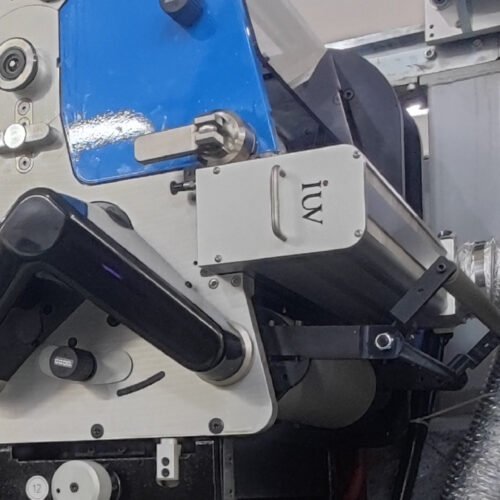
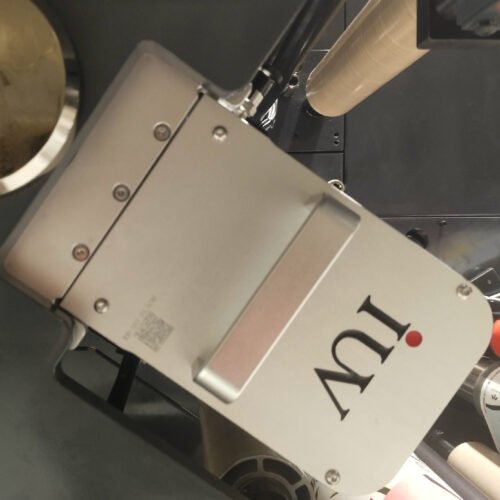
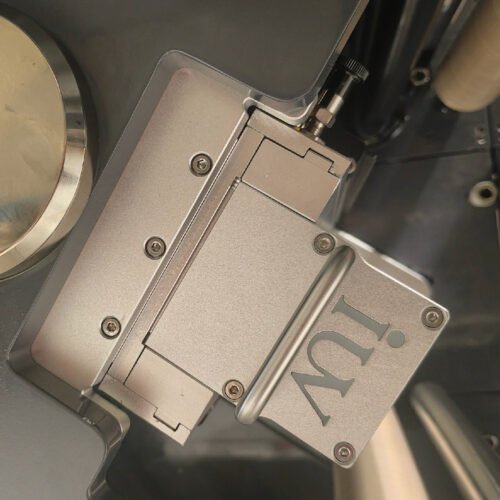
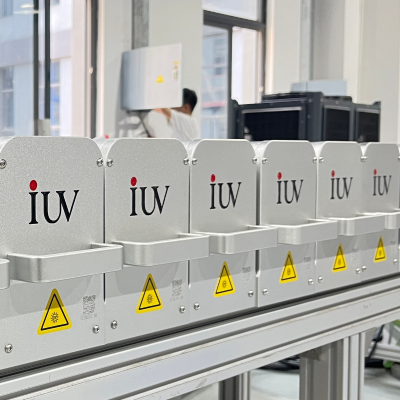
The ability to finely tune curing parameters directly impacts registration by stabilizing ink layers and reducing substrate movement. Properly calibrated LED systems prevent early-set issues that cause misalignment, especially during multi-color or multi-layer printing processes. Moreover, lightweight and compact LED modules facilitate integration into existing press architectures, making them suitable for retrofits or new machinery.
The consistency of LED curing also diminishes colour shift and out-of-register effects across long runs, enhancing overall image fidelity. This is particularly valuable in premium label printing and decorative applications, where registration precision interprets the brand’s visual identity and product quality.
Advantages of LED Curing for Narrow Spectrum and Specialty Applications
- Energy Efficiency and Reduced Heat: Low heat emission preserves substrate integrity, reducing warping and distortion that can compromise registration.
- Instant-On and Switchability: Rapid start-up allows for quick changes between jobs and reduces downtime, maintaining high-quality registration throughout shifts.
- Wavelength Customization: Tailored UV wavelengths cure specific inks and coatings, managing shrinkage and layer adhesion issues affecting registration.
- Longer Lifespan and Lower Maintenance: Reduced operational costs and consistent performance contribute to stable registration over extended production periods.
Future Outlook and Best Practices
The evolution of LED UV curing technology will continue to enhance registration control in narrow spectrum, label, flexo, and gravure printing. Best practices involve integrating sensor-driven feedback systems, automating curing profile adjustments, and developing inks optimized for LED curing parameters.
Operators should focus on calibrating curing systems regularly, understanding substrate and ink behaviors, and adopting intelligent control software for real-time adjustments. Combining these strategies results in sharply registered prints, higher productivity, and superior quality outcomes.
By leveraging the precise control of LED UV curing, the printing industry can meet the growing demand for detailed, colorful, and accurately registered labels and packaging—delivering products that stand out on the shelf and satisfy tight quality standards.