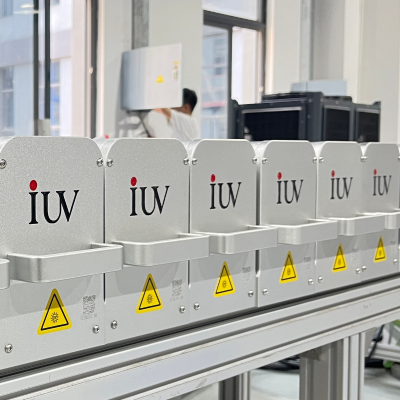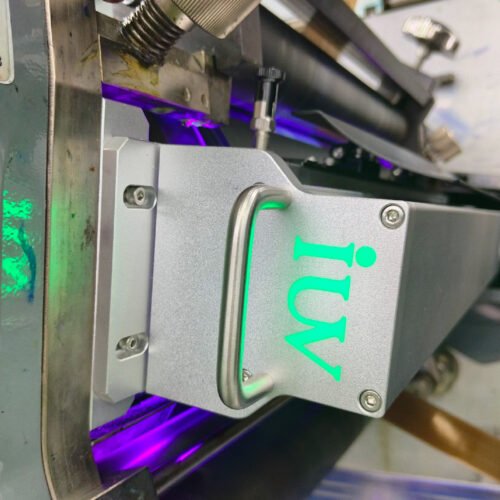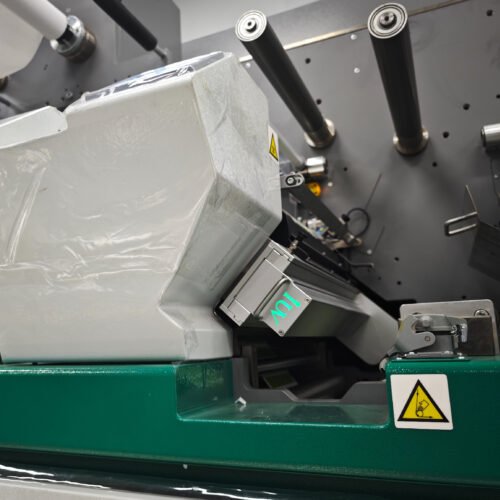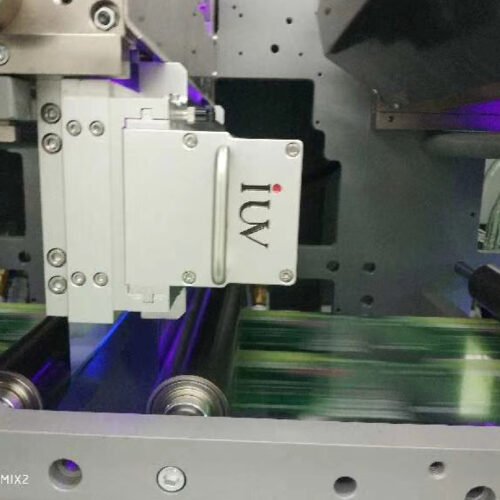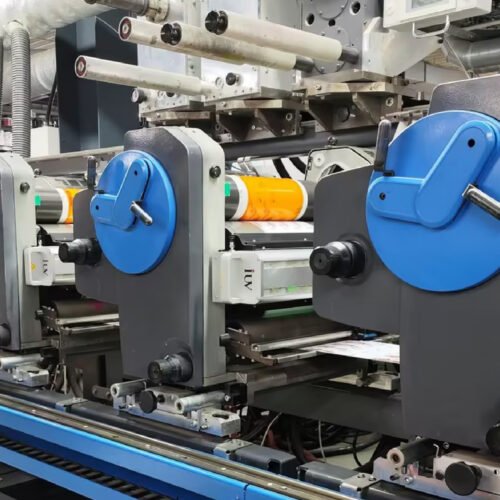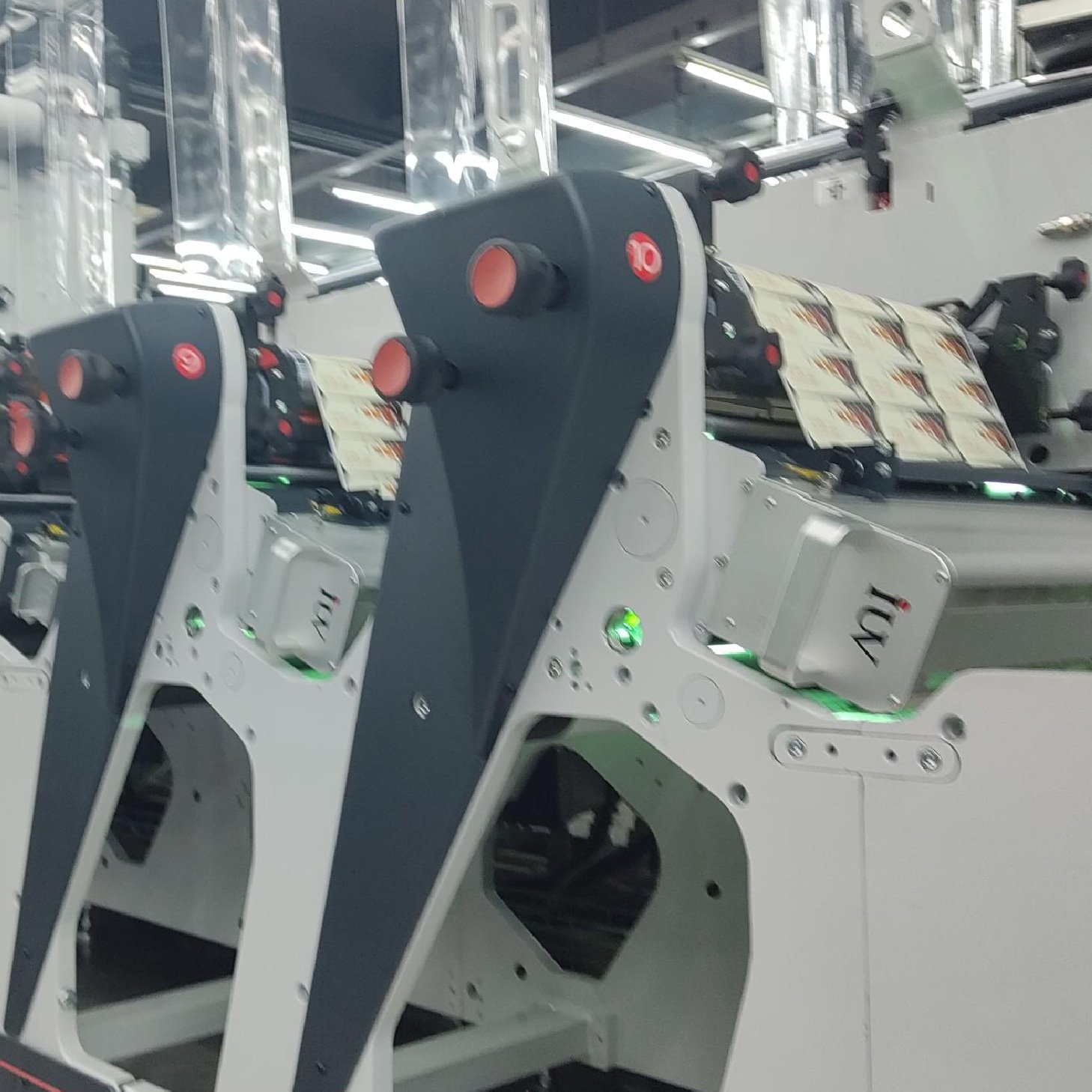
Faster turnarounds are a huge deal in commercial printing. Clients want their jobs quickly. This means printers need efficient processes. This is where UV curing systems truly shine. They offer significant advantages. This is especially true for label printing and narrow web applications. It’s also impactful in sheetfed and flexographic printing.
The Speed of Light: How UV Curing Works
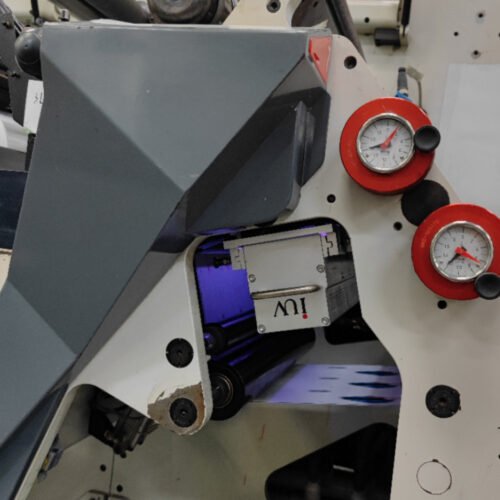
Traditional printing inks often need time to dry. They might evaporate solvents or oxidize. This process can be slow. It can also lead to issues like ink rub-off. UV curing changes the game entirely. UV curable inks contain photoinitiators. These are special molecules. When exposed to ultraviolet light, they react. This reaction causes rapid polymerization. The ink essentially transforms from a liquid to a solid. This happens almost instantly. The energy from the UV lamps drives this change.
LED UV: The Future is Now
While traditional mercury vapor UV lamps have been around for a while, LED UV technology is a significant upgrade. LED UV systems offer numerous benefits. They use light-emitting diodes. These are highly energy-efficient. They also have a much longer lifespan than mercury lamps. This reduces maintenance costs. LED UV lamps also run cooler. This is a big plus for heat-sensitive substrates. Think about delicate label materials. Cooler operation means less chance of warping or damage.
LED UV also offers a more consistent light output. This ensures reliable curing across the entire print run. It’s less prone to fluctuations. This consistency is vital for achieving high print quality. It also helps maintain those fast production speeds.
Boosting Efficiency in Narrow Web and Label Printing
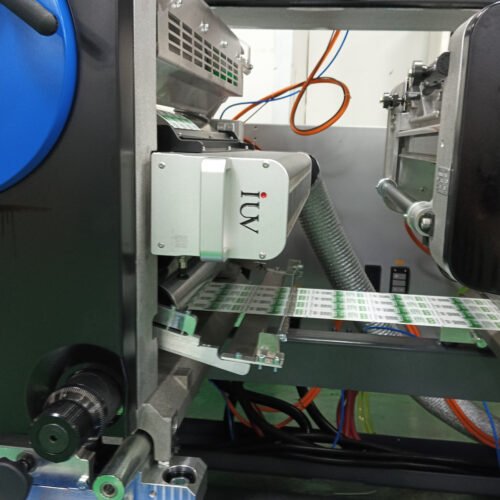
Narrow web printing is all about speed and precision. Labels and flexible packaging are often produced on these presses. UV curing is a natural fit here. The instant drying means you can print, finish, and convert in a single pass. This dramatically cuts down on production time. Imagine printing a roll of labels. Without UV, you might need to let them sit. Then you might need a separate coating step. With UV, the ink is dry as soon as it leaves the print station. This allows for immediate die-cutting or slitting.
This single-pass capability is a game-changer. It reduces material handling. It minimizes the risk of smudging or scratching. It also frees up valuable press time. Printers can take on more jobs. They can deliver them faster. This competitive edge is significant.
Flexographic Printing Embraces UV
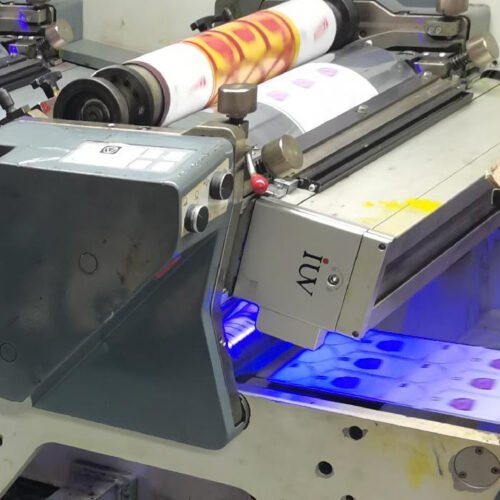
Flexographic printing is widely used for packaging and labels. UV inks have become extremely popular in this sector. The ability to cure instantly between print stations is a major advantage. This allows for inline printing of multiple colors. Each color is dried immediately. This prevents ink from transferring to the next station. It also allows for a wider range of vibrant colors. It means deeper print contrasts.
Flexo presses equipped with UV curing can achieve very high speeds. This is crucial for meeting the demands of the packaging industry. The consistency of UV curing also helps maintain color accuracy. This is important for brand consistency.
Sheetfed Printing Benefits from UV
While sheetfed printing traditionally used heatset or air-dry inks, UV curing is making significant inroads. UV-enabled sheetfed presses can deliver finished sheets ready for the bindery almost immediately. This eliminates the need for extensive drying racks or interdeck drying units. This saves valuable floor space in a print shop.
The fast curing also means sheets can be stacked densely. This reduces the risk of marking. It improves handling. For short-run, quick-turnaround jobs, UV is invaluable. It allows printers to compete effectively with digital printing in certain areas. The high gloss and vibrant colors achievable with UV inks are also attractive.
The Environmental and Economic Advantages
Beyond speed, UV curing offers other compelling benefits. UV curable inks are often 100% solids. This means they contain very few or no volatile organic compounds (VOCs). This is good for the environment. It also means a safer working environment for employees. Reduced VOCs contribute to better air quality.
From an economic standpoint, the speed translates directly to profitability. Faster job completion means higher press utilization. It means quicker payment cycles. Reduced waste is also a factor. The precise curing minimizes overspray and spoilage. The longevity of LED UV systems also contributes to lower operational costs.
Overcoming Challenges and Embracing the Technology
While the advantages are clear, adopting UV curing requires some considerations. Initial investment in UV curing equipment is a factor. However, the long-term savings and increased productivity often justify the cost. Understanding the different types of UV lamps and inks is also important. Matching the right system to the application is key.
Training for press operators is also necessary. They need to understand the nuances of UV inks and curing. However, as the technology becomes more widespread, this becomes less of a barrier.
Conclusion: A Catalyst for Growth
UV curing systems are more than just a drying technology. They are a catalyst for faster turnarounds. They are a driver of efficiency. They are a pathway to enhanced print quality. In narrow web, label, flexographic, and sheetfed printing, UV curing is transforming what’s possible. The adoption of LED UV technology further amplifies these benefits. For commercial printers looking to stay competitive, embracing UV curing is a strategic move. It allows them to meet client demands for speed. It enables them to deliver exceptional results.