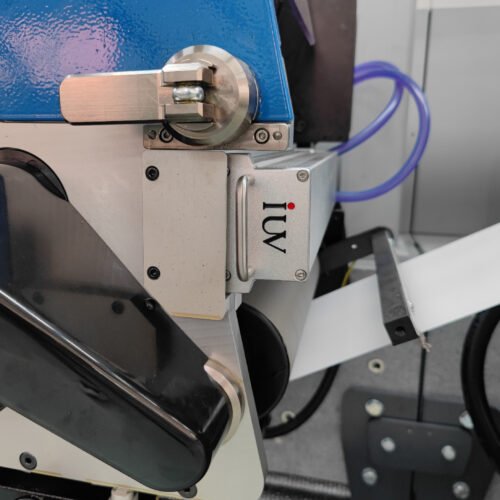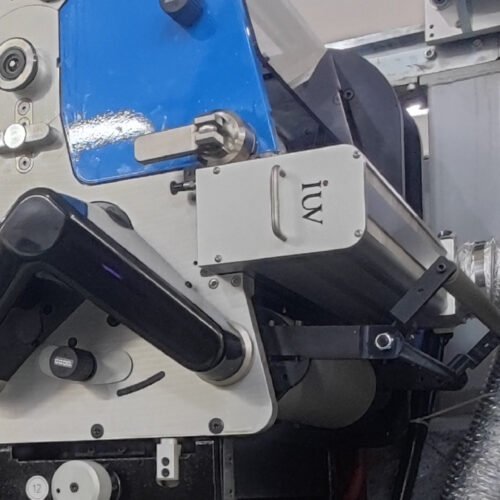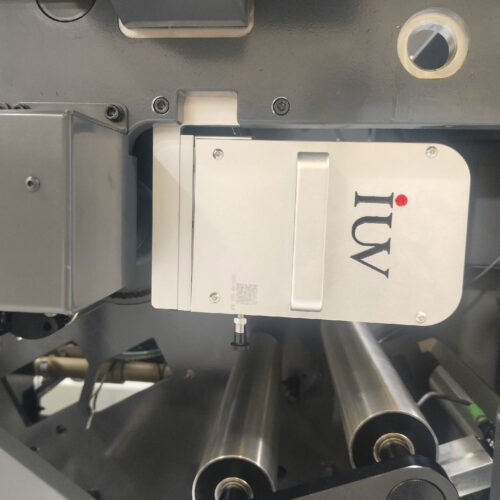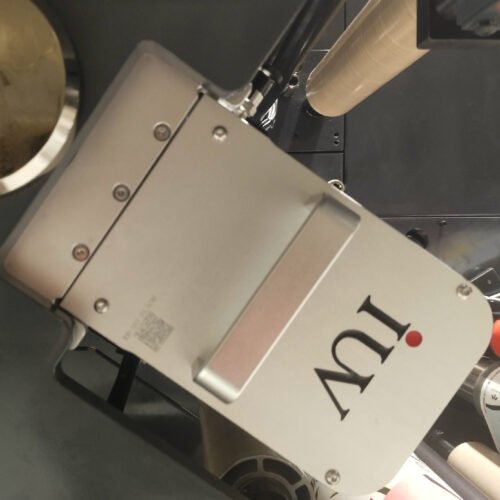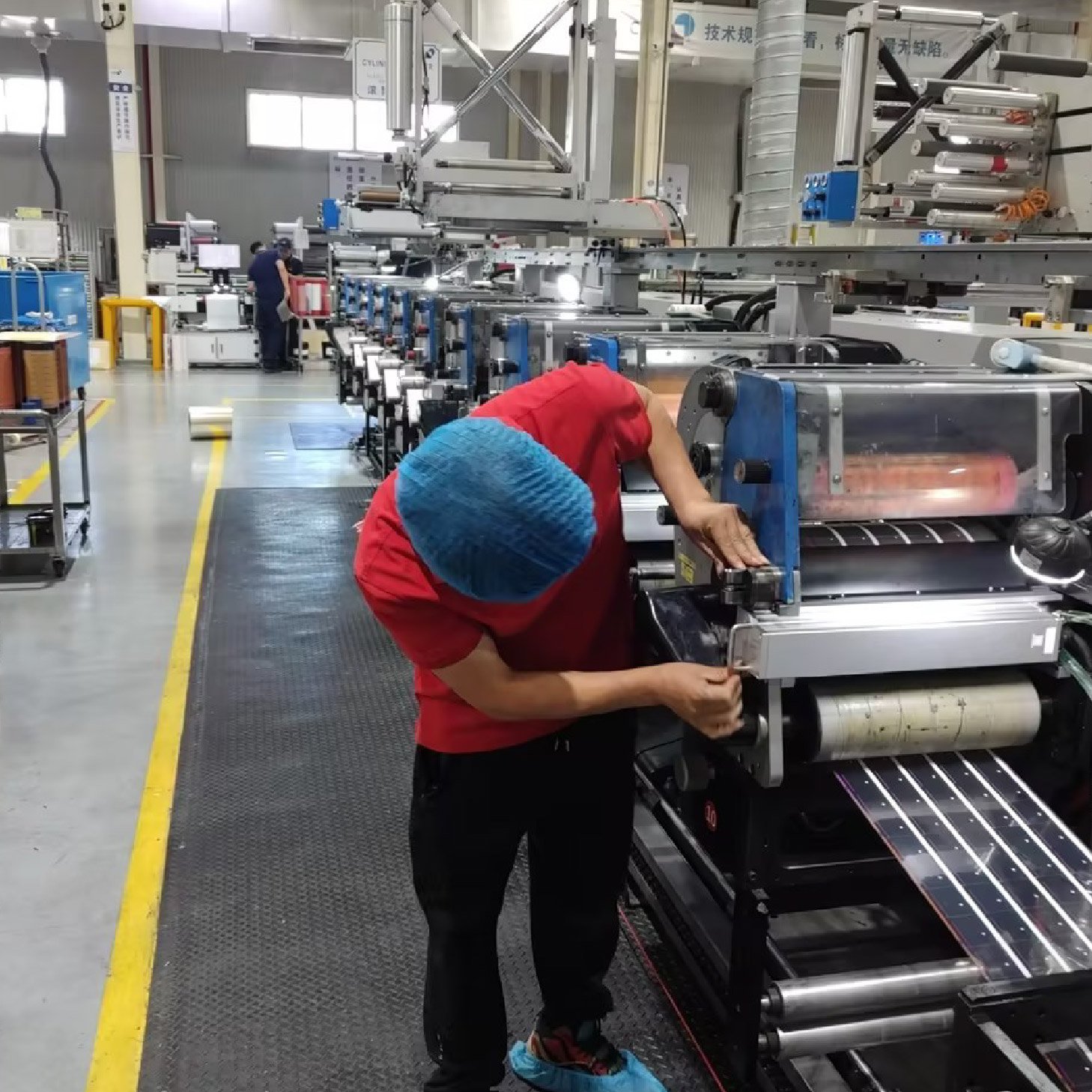
Narrow web flexo printing relies on precise control. LED UV curing is a cornerstone of this process. When it falters, it disrupts your entire workflow. Understanding common LED curing problems is key to swift resolution. Here, we explore key challenges and offer expert solutions to help maintain consistent, high-quality label production.
Why LED UV Curing in Flexo?
LED UV lamps offer major advantages over traditional mercury lamps. They provide instant on/off capability, saving energy and reducing heat on sensitive substrates. Their longer lifespan lowers maintenance demands.
LEDs also produce highly specific spectral output—ideal for ink compatibility and efficient curing.
However, this specificity can also create troubleshooting challenges if not properly managed.
Common LED Curing Issues and Their Fixes
1. Incomplete Curing
This issue often shows as sticky or easily scratched ink—especially frustrating on short runs. Causes include:
Ink Formulation Mismatch
LED UV inks are designed for specific wavelengths.
If your ink’s photoinitiator does not match your LED lamp’s spectrum, curing will be weak.
Solution: Verify ink specifications and ensure wavelength compatibility.
Insufficient Energy Output
LED lamps must deliver adequate energy (J/cm²). Aging lamps, dirty heads, or weak power supply reduce output.
Solution:
Clean lamp heads regularly
Inspect for damage
Confirm recommended UV energy levels
Check power supply stability
Improper Web Speed
Web speed must allow enough UV exposure time.
Too fast = under-curing
Too slow = overheating
Solution: Calibrate web speed with input from ink and lamp suppliers.
Incorrect Wavelengths
If LEDs emit outside the ink’s absorption range, curing efficiency suffers.
Less common with modern systems, but still a factor.
Solution: Confirm your lamp’s spectral output with proper measurement tools.
Ink Dot Gain & Poor Ink Transfer
Thin ink films may cure quickly but lack mass to absorb enough UV energy, causing surface tackiness.
Solution:
Optimize anilox roll selection
Adjust ink viscosity
Ensure proper doctor blade setup
2. Adhesion Problems
Poor adhesion indicates incomplete curing or incompatibility between ink and substrate.
Substrate Surface Energy
Low surface energy prevents proper ink wetting and bonding.
Solution:
Test surface energy
Use corona or flame treatment if needed
Chemical Incompatibility
Some coatings or additives block UV light.
Solution: Ensure coatings, inks, and additives are compatible before production.
Environmental Factors
Temperature and humidity influence curing.
Extreme heat can degrade ink components.
Solution: Maintain a stable pressroom environment.
Troubleshooting Checklist for Flexo LED Curing
Verify ink is formulated for LED UV and correct wavelength
Measure/confirm lamp UV energy output
Inspect LED lamp heads for cleanliness and damage
Confirm web speed is appropriate
Check ink film thickness (anilox, viscosity, doctor blade)
Test substrate surface energy
Review coatings/additives for UV compatibility
Stabilize temperature and humidity
Advanced Considerations
Optimize UV lamp–substrate distance
Ensure proper ventilation around curing station
Manage airflow to prevent premature curing before exposure
The Importance of Collaboration
Ink suppliers, press manufacturers, and LED lamp providers are valuable partners.
They offer product-specific insights and can help diagnose setup-specific issues.
Collaboration leads to faster and more effective troubleshooting.
Preventative Maintenance Is Key
Routine maintenance prevents curing issues before they arise.
Recommended practices include:
Regular cleaning of lamp heads and reflectors
Monitoring UV energy output over time
Detailed record-keeping of ink batches, press settings, and curing issues
Historical data helps identify trends and prevent future failures.
By understanding these common issues and applying expert solutions, you can achieve consistent, high-quality results with LED UV curing in flexo printing. This leads to greater efficiency, fewer interruptions, and flawless label performance.